Get weekly notifications for new group therapy session times.
Are you interested in joining an online group therapy session? Subscribe and receive weekly updates for new group therapy session times at Grouport.
.png)
Learn DBT Skills In A Group
Weekly sessions are available. Grouport offers therapist-led dialectical behavior therapy skills groups online. The first 12 weeks covers fundamental DBT skills.
Learn more
The bpd friendship cycle usually describes a repeating pattern where close bonds feel intense, uncertain, or unstable because fear of rejection, emotional sensitivity, shame, and conflict can rise quickly. It does not mean every difficult friendship is BPD. It means the pattern may need support when it keeps causing distress.
If BPD-related symptoms are affecting friendships, self-image, emotional regulation, safety, or daily functioning, GrouportTherapy’s guide to therapy for BPD can be a helpful starting point. This article explains why friendships may feel unstable, what real-life patterns can look like, how DBT-informed support may help, and how to compare therapy options without self-diagnosing from online descriptions.
The BPD friendship cycle is not a formal diagnosis. It is a phrase people often use to describe friendship patterns that may involve intense closeness, fear of abandonment, sensitivity to perceived rejection, emotional flooding, withdrawal, conflict, guilt, and reconnection. The pattern can feel confusing because the person may deeply want connection while also feeling easily hurt or unsafe inside it.
Borderline personality disorder can involve intense emotions, unstable relationships, impulsive behavior, fear of abandonment, and shifts in self-image. NIMH explains that BPD is diagnosed through a careful discussion of symptoms and personal and family history, and that psychotherapy is considered the primary treatment.
Someone may feel close to a friend one day, then feel rejected after a delayed reply the next. Another person may interpret a changed tone as proof the friendship is ending. Someone else may pull away first to avoid being hurt, then feel lonely and ashamed afterward.
Readers exploring the bpd friendship cycle should be careful not to turn every friendship issue into a label. Relationship issues can also come from anxiety, trauma, depression, ADHD, family history, grief, social stress, or mismatched expectations. The useful question is not “Do I fit this label?” It is “What pattern keeps repeating, and what support would help interrupt it?”
Online therapy may help people understand friendship patterns in a private, structured setting. This can matter when shame, fear of judgment, or fear of being “too much” makes it hard to talk openly. Depending on the person’s needs, care may include individual therapy, group therapy, DBT skills training, CBT therapy, couples therapy, family therapy, teen therapy online, or higher-support care when symptoms require more structure.
Grouport’s learn DBT skills resource can help readers understand skills-based support. DBT is often discussed for BPD because it teaches practical skills for intense emotions, distress tolerance, and relationships. NIMH notes that group sessions may help people with BPD learn to interact more constructively with others and express themselves more effectively.
Online therapy can also help people slow down the friendship cycle after a difficult moment. A therapist may help someone review what happened after a friend cancelled plans, identify the trigger, name the emotion, notice the urge, and choose a repair step. That kind of reflection is different from simply blaming the friend or blaming oneself.
Online therapy is not always enough. If someone has self-harm urges, suicidal thoughts, severe impulsivity, substance-related danger, or feels unable to stay safe, urgent or higher-support care may be needed. If you are in immediate danger or thinking about harming yourself, contact emergency services or a crisis hotline right away.
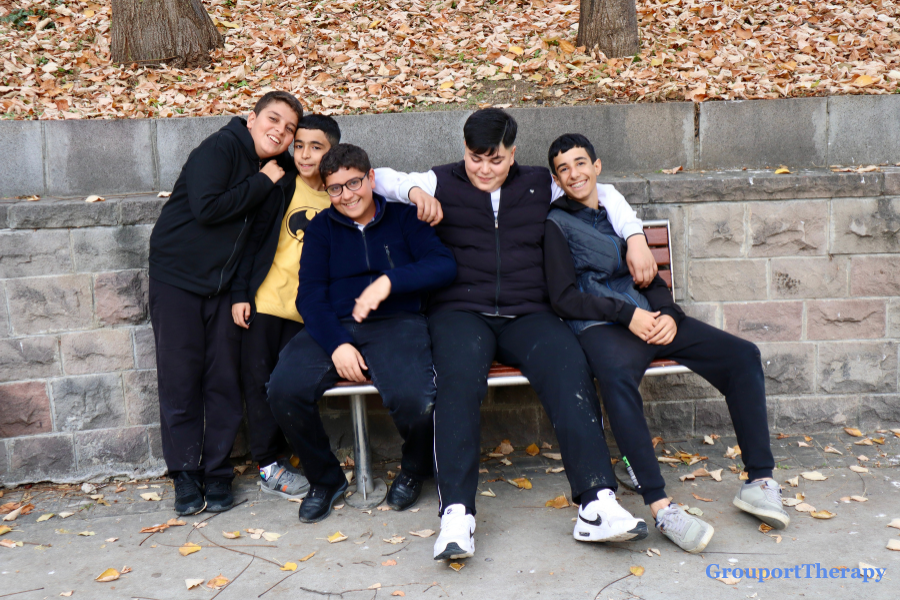
Friendship instability can look different from the outside than it feels on the inside. A person may seem intense, distant, angry, clingy, or inconsistent, while internally feeling scared, ashamed, rejected, or desperate not to lose the bond.
Common examples include:
These patterns can connect with borderline personality disorder self-sabotaging when the person acts from fear in ways that accidentally damage the bond they want to protect. That does not make the person manipulative or bad. It means the pattern needs honest attention and support.
DBT therapy is one of the most commonly discussed approaches for BPD-related relationship patterns. The NHS describes DBT as a therapy specifically designed to treat people with BPD. DBT often focuses on skills that are directly relevant to friendships: mindfulness, distress tolerance, emotional regulation, and interpersonal effectiveness.
DBT-informed support may help friendship patterns in several practical ways:
CBT therapy may help with thought patterns such as “They did not reply, so they hate me.” Mentalization-based therapy may help someone better understand their own and others’ mental states during conflict. Family therapy or couples therapy may help when friendship patterns overlap with wider relationship patterns.
Some people also struggle with closeness, attention, validation, or impulsive attempts to feel connected. Grouport’s guide to hypersexuality and bpd may be relevant for readers whose relationship patterns include sexual impulsivity or confusing boundaries. That topic should be handled with care and clinical support, not shame.
Choosing care should be based on symptoms, safety needs, relationship patterns, support level, and clinical assessment. Friendship problems alone do not prove BPD. But if the same painful cycle keeps repeating, support may be reasonable.
Consider these care options:
GrouportTherapy offers options to join BPD-focused DBT support for people exploring structured skills-based care. This is an exploration step, not a diagnosis or promise of outcome.

Therapy may help people understand why friendships feel unstable, identify emotional triggers, practice repair, and respond with more choice when fear of rejection rises. It may also help someone separate the feeling of rejection from the action they choose next.
Potential benefits may include:
The limitations matter too. Therapy does not guarantee stable friendships or remove rejection sensitivity overnight. Progress can be uneven. Some skills may feel awkward or uncomfortable at first. Therapist fit, safety planning, and consistency all matter.
GrouportTherapy’s page on group and individual therapy for BPD can help readers compare how private therapy and skills-based group support may work together. A strong starting process should include symptoms, goals, history, safety concerns, privacy expectations, and what has or has not helped before.
A common mistake is assuming unstable friendships mean someone definitely has BPD. Relationship conflict can come from many causes, so a licensed professional should assess symptoms in context.
Another mistake is blaming everything on the person with symptoms. Friendship cycles involve patterns, but responsibility still matters. Therapy should support accountability without shame.
Do not choose therapy only by convenience. BPD-related relationship issues often need structure, consistency, therapist fit, privacy, and safety planning.
It is also a mistake to dismiss group therapy as casual sharing. Therapist-led groups can support skills practice, communication, accountability, and emotional regulation.
Finally, do not rely only on self-guided tools when safety concerns are present. If someone has suicidal thoughts, self-harm urges, severe impulsivity, or feels unable to stay safe, professional support is needed. If you are in immediate danger or thinking about harming yourself, contact emergency services or a crisis hotline right away.
The bpd friendship cycle can feel painful because the person often wants closeness while fearing rejection at the same time. Therapy can help people notice the pattern earlier, communicate more clearly, and repair conflict with less shame or urgency.
GrouportTherapy offers BPD-focused resources and online therapy options for people comparing support. The next step is not forcing a label onto yourself or someone else. It is choosing care that fits symptoms, safety needs, relationship patterns, and clinical guidance.
The BPD friendship cycle is an informal phrase for friendship patterns that may involve intense closeness, fear of rejection, conflict, withdrawal, shame, and attempts to reconnect. It is not a diagnosis. Similar patterns can happen with anxiety, trauma, depression, or relationship stress, so professional assessment is important when distress is ongoing.
Friendships may feel unstable when rejection sensitivity, fear of abandonment, emotional intensity, or shame rises quickly. A delayed reply or small conflict may feel much bigger than intended. Therapy for BPD may help someone notice triggers, slow reactions, communicate needs more clearly, and repair conflict more effectively.
Yes, people with BPD-related symptoms can have meaningful friendships, especially when they receive appropriate support and practice communication, boundaries, distress tolerance, and repair skills. Therapy does not guarantee perfect relationships, but it may help reduce crisis-driven reactions and build more stable ways of responding to conflict or uncertainty.
DBT may help friendship problems by teaching mindfulness, distress tolerance, emotional regulation, and interpersonal effectiveness. These skills can support pausing before reacting, asking for reassurance directly, tolerating delayed replies, setting boundaries, and repairing conflict. DBT skills usually require repetition and may work best with professional guidance.
Group therapy may help BPD-related relationship issues when it is structured and therapist-led. It can offer skills practice, feedback, accountability, and a safer setting to practice communication. It may not be enough for everyone, especially when someone needs private safety planning, trauma support, or a higher level of care.
Urgent help may be needed if someone has suicidal thoughts, self-harm urges, severe impulsivity, substance-related danger, or feels unable to stay safe. Routine therapy or self-guided tools may not be enough in those situations. If you are in immediate danger or thinking about harming yourself, contact emergency services or a crisis hotline right away.
Grouport articles are written by experienced editors with a focus on clear, practical, and evidence-informed guidance. Our content is grounded in reputable research, clinical best practices, and trusted mental health resources.
To support accuracy and responsibility, all content is reviewed by the Grouport editorial team with clinical standards in mind and written to reflect current, evidence-based approaches to mental health care. Our goal is to help readers better understand mental health topics, therapy options, coping strategies, and when professional support may be appropriate.
Where relevant, articles include trusted third-party sources that are linked within the content or listed for reference, so readers can review the original information and make more informed decisions about their mental health care.
Choose from therapist-led group, individual, couples, family, teen, and IOP therapy — or build DBT skills at your own pace with our self-guided program. Find the right treatment plan for you.
Space is limited, so reserve your seat today.


You May Also Like