Get weekly notifications for new group therapy session times.
Are you interested in joining an online group therapy session? Subscribe and receive weekly updates for new group therapy session times at Grouport.
.png)
Learn DBT Skills In A Group
Weekly sessions are available. Grouport offers therapist-led dialectical behavior therapy skills groups online. The first 12 weeks covers fundamental DBT skills.
Learn more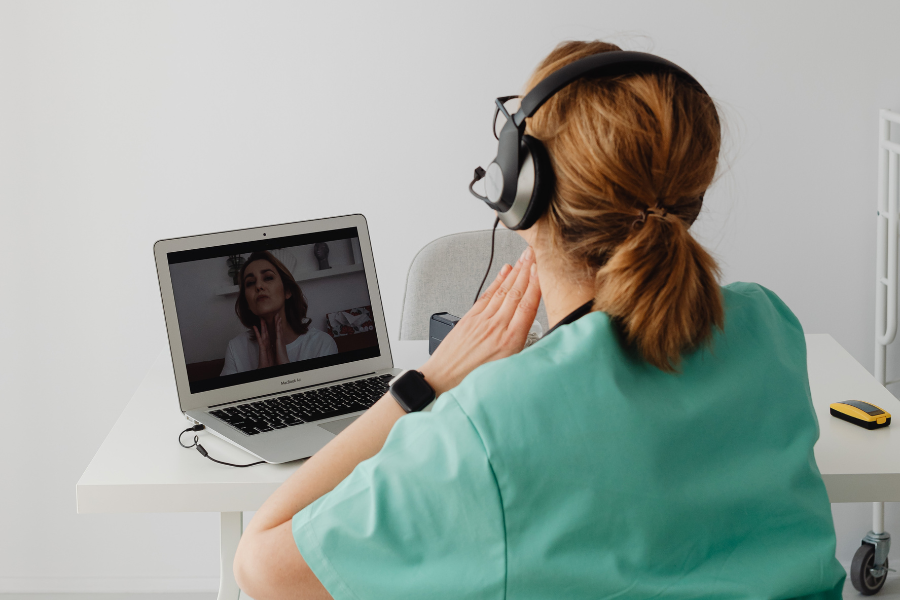
Searching for online therapy for anxiety and depression often starts when someone realizes the problem is not just stress, sadness, or a rough week. Anxiety can keep the mind racing, while depression can make basic tasks feel heavy. Together, they can create a draining loop: you worry about what needs to get done, feel too exhausted to do it, then feel worse because it remains unfinished.
If low mood, fear, avoidance, sleep disruption, irritability, or emotional shutdown is affecting daily life, Grouport’s guide to therapy for depression can be a helpful starting point. This article explains how anxiety and depression can overlap, how online care may help, and how to compare options responsibly.
Anxiety and depression can feel like opposite experiences, but they often overlap. Anxiety may push a person into overthinking, scanning for problems, avoiding uncertainty, or feeling physically tense. Depression may show up as low energy, loss of interest, poor concentration, sleep changes, irritability, guilt, or a sense that everyday tasks require too much effort. NIMH explains that depression can affect how a person feels, thinks, sleeps, eats, and handles daily activities.
Only a qualified professional can evaluate symptoms, personal history, medical factors, medication questions, and safety concerns. Still, it is worth paying attention when emotional patterns begin affecting work, school, parenting, relationships, meals, sleep, or social connection.
For example, someone may worry intensely about a work task, avoid starting it, feel guilty by the end of the day, then wake up with more anxiety because the task is still there. Another person may cancel plans because they feel emotionally drained, then feel lonely and worry that others are upset with them. These loops are not character flaws. They are patterns that may need structure and support.
People often search for therapy for depression when coping tips stop being enough. Exercise, journaling, sleep routines, and breathing exercises may help, but they can be hard to use consistently when anxiety creates tension and depression drains follow-through. Online therapy for depression and anxiety can help people understand the loop, identify patterns, and practice small changes with professional guidance.
Online therapy usually takes place through therapist-led video sessions from a private space. It may include individual therapy, group therapy, CBT-based support, DBT skills, family therapy, couples therapy, teen therapy, or higher-support care depending on the person’s needs. The format matters, but the quality of care matters more. Support should be structured, confidential, clinically appropriate, and guided by a licensed therapist when therapy is being provided.
For someone dealing with anxiety and depression together, virtual individual therapy may help uncover the sequence behind the struggle. Anxiety may lead to overthinking, depression may lower motivation, avoidance may follow, and guilt may restart the cycle. Therapy can help someone notice that chain and choose one realistic intervention instead of trying to overhaul life all at once.
There is a difference between reading coping advice and receiving therapist-led support. A coping article can explain breathing exercises, thought tracking, behavioral activation, or emotional regulation. Therapy helps apply those tools to the specific moments where the person gets stuck. That might mean planning how to answer one difficult email, re-enter a routine after a low week, or talk to a partner without shutting down.
Before starting online care, ask direct questions. Is the therapist licensed where you live? How are sessions conducted? What happens if symptoms worsen? Is weekly therapy enough, or would a higher level of care be more appropriate? These questions are part of making a responsible care decision.

The anxiety and depression loop often looks ordinary from the outside. Someone may still work, care for children, attend school, or maintain relationships, but every responsibility feels harder than it used to.
Common situations include:
Group-based therapy for depression may help people who feel isolated because they can see others working through similar patterns. Some people need private individual work first. Others benefit from combining support. The useful question is, “Which format can I actually attend, engage with, and practice from?”
Several therapy approaches may support people dealing with anxiety and depression together. The right approach depends on symptoms, goals, history, risk level, therapist fit, and how much support the person needs. There is no single best therapy for depression that works the same way for everyone. A licensed professional can help match the method to the person’s situation.
CBT therapy often focuses on the connection between thoughts, emotions, body sensations, and behavior. For example, someone may think, “I am already behind, so there is no point trying.” That thought can increase hopelessness, avoidance, and anxiety. CBT may help the person test more balanced thoughts and take smaller actions that reduce the cycle.
DBT therapy may help when emotions feel intense, relationships become strained, or the person has trouble calming down after being triggered. DBT skills can include mindfulness, distress tolerance, emotional regulation, and interpersonal effectiveness. These skills are usually practiced between sessions, not just discussed once.
ACT may help people make room for difficult thoughts while still moving toward values. Behavioral activation may support depression by helping someone restart meaningful activities in manageable steps. Exposure-based work may help with avoidance, but it should be gradual and professionally guided. Family systems work may help when emotional patterns affect the household.
A person working with a therapy for depression provider might practice one small task between sessions, such as taking a short walk, answering one avoided message, tracking mood patterns, using grounding before a meeting, or asking for support instead of withdrawing. Medication questions belong with a qualified prescribing professional. Therapy content should not be used to start, stop, or change medication.
Choosing care becomes easier when you stop searching for the “perfect” option and start asking what kind of support fits the problem right now. When anxiety and depression overlap, the right fit often depends on symptoms, structure needs, privacy needs, and whether the challenge is personal, relational, family-based, or skill-based.
For many people, individual therapy is a practical starting point. It gives private space to discuss anxiety, low mood, motivation, sleep, work stress, avoidance, or emotional shutdown.
Different Grouport therapy options may fit different needs:
Some people benefit from combining care types. Individual therapy can support personal insight, while group therapy can help with skills practice and connection. A teen may benefit from individual care while the family receives guidance on communication.
If you are unsure where to begin, you can view available online therapy groups or schedule a consultation to discuss which level and format of support may fit. A consultation is not a diagnosis. It is a practical first step.

Online therapy may help people understand emotional patterns, practice coping skills, reduce avoidance, improve communication, and build more consistent routines. For people balancing work, school, parenting, transportation issues, or limited local access, online video sessions can make support easier to attend. Consistency is often more useful than waiting for the perfect therapy setup.
The limitations matter too. Therapy is not instant relief. Progress can be uneven. Someone may have a productive session and still struggle later that week. Therapist fit matters, and it may take time to feel comfortable. Participation matters as well. If a person attends sessions but avoids practicing skills, discussing setbacks, or being honest about symptoms, progress may be slower.
Privacy is also important. A quiet room, headphones, stable internet, and a device that is not shared during the session can improve the experience. Before starting, ask how sessions are conducted, how confidentiality is handled, and what steps are recommended if you share a home or device. APA telepsychology guidance highlights privacy, confidentiality, competence, and informed consent in virtual care.
Some people also benefit from online group therapy, especially when they want therapist-led structure and connection with others facing similar challenges. The first session may include goals, current symptoms, personal history, safety questions, and discussion of what level of care fits.
The first mistake is waiting until symptoms become unmanageable. Many people delay support because they can still function. Functioning is not the same as feeling okay. If anxiety and depression are shrinking choices, draining energy, damaging relationships, or making daily life harder, waiting for a breaking point can make support harder to start.
Another mistake is choosing only based on price. Cost matters, but the cheapest option is not helpful if the format, therapist, structure, or level of care does not fit. Expensive care is not automatically better either. The real question is whether the support is appropriate, consistent, ethical, and usable.
Expecting instant results is another trap. Therapy often works through repeated practice, honest feedback, and gradual behavior change. If something feels off, discuss it before disappearing.
People also underestimate therapist fit. You should feel respected, understood, and appropriately challenged. It is also important to check credentials, state licensure, privacy practices, service structure, and clinical fit.
Finally, do not treat online therapy as less serious than in-person care. If sessions are therapist-led, private, structured, and consistent, online care can be meaningful support. At the same time, some people need in-person care, medication evaluation, crisis support, or a higher level of care. If you are in immediate danger or thinking about harming yourself, contact emergency services or a crisis hotline right away.
When anxiety and depression fuel each other, the next step does not have to be dramatic. Start by noticing the pattern: worry, low energy, avoidance, guilt, withdrawal, conflict, or sleep disruption. Then choose support that fits your actual life, not an ideal version of your schedule.
Grouport offers online therapy options for individuals, groups, teens, couples, and families who want structured support without turning care into another stressful task. If symptoms are affecting daily life, reviewing therapy options or scheduling a consultation can help you understand what level of support may fit. Grouport’s site lists group, individual, couples, family, teen, and IOP therapy options online.
Yes, anxiety and depression can overlap. A person may feel worried, tense, or restless while also feeling low, tired, unmotivated, or disconnected. This does not confirm a diagnosis, but it is worth discussing with a licensed professional when symptoms affect work, school, relationships, sleep, or daily routines.
Online therapy for anxiety and depression may help by giving people structured support, therapist-led coping strategies, and a place to identify patterns. Sessions in online therapy for depression and anxiety may focus on avoidance, mood changes, worry loops, communication, emotional regulation, and small behavior changes. Results vary, and the right approach depends on symptoms, goals, therapist fit, and level of support needed.
CBT, DBT, ACT, behavioral activation, mindfulness-based skills, and interpersonal work may support anxiety and depression depending on the person’s needs. CBT may help with thought and behavior patterns. DBT may support emotional regulation and distress tolerance. A licensed therapist can help decide which approach is appropriate.
Group therapy may help people who feel isolated, stuck, or ashamed about their symptoms. A therapist-led group can offer structure, shared learning, and accountability. It may not replace individual therapy for everyone, but some people benefit from group support alone or in combination with individual therapy.
More support may be needed when symptoms seriously disrupt daily functioning, sleep, school, work, relationships, hygiene, eating, or safety. If weekly sessions do not provide enough structure, a consultation or clinical assessment can help determine whether group therapy, individual therapy, DBT, family therapy, medication evaluation, or IOP-level care may be appropriate.
Online therapy can be private, but both the provider’s practices and the client’s environment matter. Use a quiet room, headphones, stable internet, and a personal device when possible. Before starting, ask how sessions are conducted, how confidentiality is handled, and what steps are recommended if you live with others or share devices.
Grouport articles are written by experienced editors with a focus on clear, practical, and evidence-informed guidance. Our content is grounded in reputable research, clinical best practices, and trusted mental health resources.
To support accuracy and responsibility, all content is reviewed by the Grouport editorial team with clinical standards in mind and written to reflect current, evidence-based approaches to mental health care. Our goal is to help readers better understand mental health topics, therapy options, coping strategies, and when professional support may be appropriate.
Where relevant, articles include trusted third-party sources that are linked within the content or listed for reference, so readers can review the original information and make more informed decisions about their mental health care.
Choose from therapist-led group, individual, couples, family, teen, and IOP therapy — or build DBT skills at your own pace with our self-guided program. Find the right treatment plan for you.
Space is limited, so reserve your seat today.


You May Also Like