Get weekly notifications for new group therapy session times.
Are you interested in joining an online group therapy session? Subscribe and receive weekly updates for new group therapy session times at Grouport.
.png)
Learn DBT Skills In A Group
Weekly sessions are available. Grouport offers therapist-led dialectical behavior therapy skills groups online. The first 12 weeks covers fundamental DBT skills.
Learn more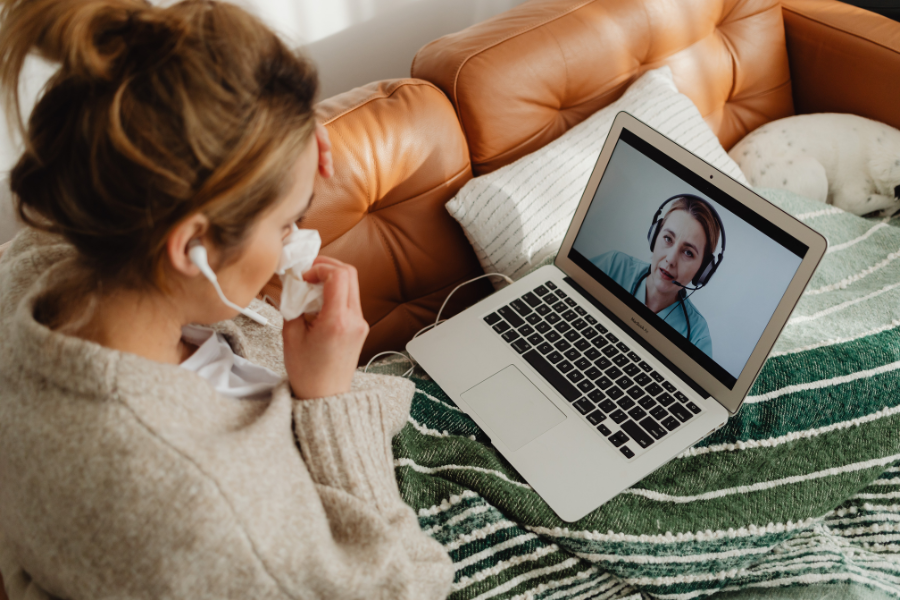
Affordable online therapy can be a practical option for anxiety when it offers qualified support, clear structure, privacy, and a care format that fits the person’s needs. Cheap care becomes risky when it removes the parts that make therapy useful, such as licensed guidance, confidentiality, fit, and a plan for worsening symptoms.
If anxiety is affecting work, school, relationships, sleep, parenting, or daily choices, Grouport’s guide to therapy for anxiety can help readers understand broader support options. This article explains how to compare online care responsibly, what “affordable” should and should not mean, and how to avoid choosing weak care just because it looks convenient or low cost.
Affordable care should mean accessible support, not watered-down support. Anxiety can involve worry, fear, body tension, avoidance, sleep disruption, irritability, panic-like sensations, or difficulty concentrating. NIMH notes that anxiety disorder symptoms can interfere with job performance, schoolwork, relationships, and routine activities.
Many people search for lower-cost online care because traditional therapy can feel difficult to access. They may be balancing work, childcare, transportation issues, school schedules, or limited local provider options. Others feel anxious about sitting in a waiting room or explaining symptoms in person.
The problem is that “affordable” can mean very different things. A lower-cost option may still be useful if it includes a licensed therapist, structured sessions, privacy practices, and appropriate clinical support. A weak option may offer generic advice, unclear credentials, limited privacy information, no safety guidance, or little room for personalization.
Someone trying to understand what anxiety feels like may first need basic education. But if anxiety is affecting daily life, therapy decisions should be based on more than price. The better question is: does this option provide enough support for the level of anxiety being experienced?
Online therapy can make care easier to attend when anxiety, scheduling, travel, or local access gets in the way. Sessions may happen through live video from a private space, depending on the provider and service format. Online care may include individual therapy, group therapy, CBT therapy, DBT therapy, teen therapy online, couples therapy, family therapy online, or IOP therapy when more structure is needed.
Virtual individual therapy may fit people who need private, focused support for anxiety patterns, avoidance, work stress, relationships, panic-like symptoms, or emotional regulation. A therapist may help the person identify triggers, practice coping skills, reduce avoidance, and adjust strategies when something is not working.
Online therapy can also help people who delay care because the logistics feel too heavy. If someone already feels overwhelmed, removing commuting and waiting room stress may make consistent care more realistic.
Still, online therapy has responsibilities. APA telepsychology guidance highlights privacy, confidentiality, informed consent, technology, and provider competence as important considerations in remote psychological care. That means a good online option should be more than a video link. It should explain how sessions work, who provides care, how privacy is handled, and what happens if symptoms worsen.

Anxiety can make people delay care until symptoms are harder to manage. Cost matters, but weak care can waste time if it does not match the person’s real situation.
Common scenarios include:
Readers comparing therapy for anxiety should look at how much support the option provides, not only whether it is easy to start.
Different therapy approaches may support anxiety in different ways. The right fit depends on symptoms, goals, history, support needs, therapist fit, and clinical assessment.
CBT therapy is commonly used for anxiety because it helps people understand links between thoughts, body sensations, emotions, and behaviors. NICE guidance for generalized anxiety disorder and panic disorder uses a stepped-care model and includes low-intensity psychological interventions, CBT-based support, and more intensive options depending on clinical need.
DBT therapy may support people who experience anxiety with emotional flooding, conflict, impulsive reactions, shame, or difficulty calming down after stress. Skills may include mindfulness, distress tolerance, emotional regulation, and interpersonal effectiveness.
Exposure-based work may help when anxiety leads to avoidance, but it should be planned carefully with professional guidance. This is not about forcing someone into distress. It usually involves gradual, structured practice.
Mindfulness-based strategies may help some people notice anxious thoughts and body sensations without immediately reacting to them. ACT may help people move toward values even when anxiety is present.
Grouport’s guide to online anxiety therapy can help readers understand how different online care formats may support anxiety-related concerns. The important point is that the method should match the person, not just the price.
The best choice is not always the lowest-cost option. It is the option that provides enough support for the person’s anxiety, schedule, privacy needs, and level of functioning.
Use these checks before choosing care:
If the right starting point is unclear, readers can schedule a therapy consultation to discuss what level and format of support may fit. A consultation is not a diagnosis, but it can help clarify the next step.

Affordable online therapy may help people access care sooner, attend more consistently, and choose support that fits work, school, caregiving, or transportation limits. It may also help people practice coping skills in the environment where anxiety often happens.
The limitations matter. Low cost does not automatically mean good value. A cheaper option can become weak if it lacks therapist access, privacy clarity, clinical structure, or enough support for the person’s symptoms. On the other hand, expensive care is not automatically better if the therapist fit is poor or the format does not match the problem.
Online group therapy may be helpful for people who feel isolated or want shared skills practice. Group care can provide structure and connection, but it may not fit someone who needs privacy, complex assessment, or more individualized support.
Starting therapy usually involves discussing current symptoms, goals, history, stressors, safety concerns, and what has or has not helped before. You do not need a perfect explanation before beginning. A good provider should help organize the picture with you.
A common mistake is treating price as the only quality marker. The cheapest option may be too limited, while the most expensive option may still be a poor fit. Value depends on clinical appropriateness, therapist fit, structure, privacy, and consistency.
Another mistake is choosing the most convenient option without checking credentials. Convenience matters, but anxiety care should still involve appropriate support.
People also expect quick results. Therapy often works through repeated practice, feedback, and gradual behavior change. No provider should promise immediate relief or guaranteed outcomes.
Do not ignore privacy. Online care should explain how sessions are conducted, what platform is used, and how confidentiality is handled. The client’s environment also matters, so a quiet room, headphones, stable internet, and a personal device can help.
Finally, do not assume online care is always enough. Some people may need in-person care, medication evaluation, crisis support, or IOP-level treatment. If you are in immediate danger or thinking about harming yourself, contact emergency services or a crisis hotline right away.
Affordable online therapy should reduce barriers without removing the support that makes therapy useful. The goal is not to find the cheapest possible option. The goal is to find care that is accessible, credible, private, structured, and appropriate for the person’s symptoms.
GrouportTherapy offers online therapy options for people comparing anxiety support, including individual and group formats. If anxiety is affecting daily life, the next step is to choose care that fits both your budget concerns and your clinical needs.
The most affordable option depends on location, provider availability, care format, and the level of support needed. Some people compare online therapy, group therapy, community clinics, sliding-scale providers, self-guided programs, and employer or school resources. Lower cost should not mean unclear credentials, weak privacy, or no safety guidance. If anxiety affects daily life, licensed support is worth prioritizing.
Affordable online therapy may help with anxiety when it is structured, private, therapist-led when appropriate, and matched to the person’s needs. It may support coping skills, avoidance patterns, emotional regulation, and daily stress responses. It is not guaranteed to work for everyone. Fit depends on symptoms, severity, therapist match, participation, and whether online care provides enough support.
Online therapy for anxiety is more credible when it clearly identifies provider credentials, licensure, privacy practices, session format, communication expectations, and what to do if symptoms worsen. Be cautious with services that make cure claims, hide qualifications, or offer only generic advice for complex symptoms. A licensed therapist can help assess what care level fits.
Online counseling may be less expensive in some situations because it can reduce travel, scheduling, and overhead barriers, but costs vary by provider, location, format, and support level. The cheaper option is not always better. The stronger question is whether the care is qualified, private, structured, and appropriate for the severity of anxiety symptoms.
The best online counseling for anxiety should include clear provider credentials, privacy practices, structured sessions, realistic expectations, and a plan for worsening symptoms. It should also fit the person’s anxiety pattern, whether that involves avoidance, panic symptoms, overthinking, relationship stress, or emotional regulation. Avoid services that promise quick fixes or guaranteed results.
Low-cost therapy may not be enough when anxiety seriously disrupts work, school, sleep, relationships, parenting, eating, hygiene, or safety. More support may also be needed if symptoms worsen between sessions or if self-guided tools are not helping. In those cases, individual therapy, group therapy, medication evaluation, IOP, or in-person care may be more appropriate.
Grouport articles are written by experienced editors with a focus on clear, practical, and evidence-informed guidance. Our content is grounded in reputable research, clinical best practices, and trusted mental health resources.
To support accuracy and responsibility, all content is reviewed by the Grouport editorial team with clinical standards in mind and written to reflect current, evidence-based approaches to mental health care. Our goal is to help readers better understand mental health topics, therapy options, coping strategies, and when professional support may be appropriate.
Where relevant, articles include trusted third-party sources that are linked within the content or listed for reference, so readers can review the original information and make more informed decisions about their mental health care.
Choose from therapist-led group, individual, couples, family, teen, and IOP therapy — or build DBT skills at your own pace with our self-guided program. Find the right treatment plan for you.
Space is limited, so reserve your seat today.


You May Also Like