.png)
Explore all things mental health. Check out some of our latest journals below.
Filter by Topic

Anxiety & Panic
Anxiety, a common emotional state characterized by feelings of worry and unease, can often feel all-consuming. However, understanding its opposite can provide valuable insights into how we can actively cultivate states of calmness and serenity. This article aims to explore the concept of calmness, serenity, and mindfulness, the antidotes to anxiety, and how we can incorporate these elements into our daily lives.
Read More

Anxiety & Panic
Fear is a fundamental human experience, a built-in survival mechanism that evolved to help us navigate threats. Among these, primordial fears stand out as deeply ingrained, universal sources of dread that stem from our early evolutionary history. This article delves into the nature of primordial fears, their significance, and how they continue to shape our experiences.
Read More

Anxiety & Panic
In the complex realm of human cognition, thinking errors, also known as cognitive distortions, often play a significant role. These distorted thought patterns can skew our perception of reality, impacting our emotions, behaviors, and overall mental health. This article delves into the nature of thinking errors, their common types, and strategies for overcoming them.
Read More

Anxiety & Panic
Empaths are individuals known for their heightened sensitivity to the emotions and energy of people, animals, and even places. This sensitivity can be overwhelming at times and can often result in feelings of anxiety. This article aims to shed light on the relationship between being an empath and experiencing anxiety, and provide strategies for managing this intricate emotional dynamic.
Read More

Anxiety & Panic
Anxiety disorders are among the most common mental health issues worldwide, often leaving individuals feeling isolated and overwhelmed. However, anxiety group therapy provides a supportive platform for individuals to share their experiences, learn new coping strategies, and foster a sense of connection. This article dives into the world of anxiety group therapy, discussing its approach, benefits, and types of exercises often employed.
Read More

Anxiety & Panic
Dehydration is a common health issue that can lead to a myriad of complications, and it may even contribute to the onset or exacerbation of anxiety. This article delves into the connection between dehydration and anxiety, exploring how dehydration can potentially cause anxiety, how to identify dehydration-induced anxiety, and how to prevent and manage it.
Read More

Anxiety & Panic
Social Anxiety Disorder (SAD) is a mental health condition characterized by a persistent and intense fear of social situations. Individuals with this disorder often experience extreme self-consciousness, fear of judgment, and avoidance of social interactions. This article examines whether social anxiety is considered a disability, how it can impact daily life and work capacity, and available support for individuals with this disorder.
Read More

Anxiety & Panic
Anxiety, a common mental health issue, can often be fueled not only by significant stressors but also by small, mindless habits we adopt in our daily lives. These habits can subtly feed our anxiety without our realization. This article seeks to shed light on these unconscious habits, explaining their impact, and suggesting ways to mitigate their effects.
Read More

Anxiety & Panic
anxiety, a prevalent mental health condition, affects individuals differently. For people with high anxiety levels, certain careers might exacerbate their symptoms due to the demands and pressures associated with these jobs. This article will delve into some of the careers that could potentially heighten anxiety symptoms and provide insights on how to manage workplace anxiety.
Read More
.jpeg)
Anxiety & Panic
The journey to recovery from anxiety, like most paths to better mental health, is not typically linear. Rather, it is a process with stages that vary in duration and intensity for each individual. This article aims to highlight these stages, offering valuable insights into what one might expect during the recovery process.
Read More

Anxiety & Panic
In a world that values productivity and constant achievement, many individuals are facing a new kind of stress: productivity anxiety. This is the pervasive fear of not accomplishing enough, falling behind, or failing to meet high performance standards. By understanding the root causes and the potential methods to manage this form of anxiety, we can navigate our lives with healthier attitudes towards productivity.
Read More

Anxiety & Panic
Anxiety and obsessive-compulsive disorder (OCD) are two interrelated mental health conditions that significantly impact people's lives. Centers that specialize in addressing these issues play a vital role in mental health care. They offer a wide range of services to help individuals understand and manage their conditions. This article explores the different aspects of these centers, the services they provide, and the benefits of seeking help from these specialized institutions.
Read More

Anxiety & Panic
Anxiety, a complex and multi-faceted condition, is often challenging to describe. Many people resort to metaphors as a tool to express the intangible experiences of this mental health disorder. These metaphors not only offer a means for individuals to express their inner turmoil but also provide a way for others to gain insights into their experiences. This article delves into the world of anxiety metaphors, discussing their importance, common examples, and their role in therapy.
Read More

Anxiety & Panic
The impact of anxiety on individual well-being is well-known, but what happens when it starts to strain a marriage? Specifically, when a husband's anxiety starts to become a source of marital discord, it can become an immense challenge for both partners. This article explores the effects of a husband's anxiety on marriage, outlines ways to cope, and discusses how seeking professional help can foster healthier dynamics.
Read More
Anxiety & Panic
The use of light therapy as a treatment method for various mood disorders, such as Seasonal Affective Disorder (SAD) and depression, has been extensively researched and documented. However, its potential benefits in alleviating symptoms of anxiety are less well-known. This article delves into the use of light therapy in the treatment of anxiety, discussing its potential benefits, how it works, and considerations when exploring this treatment option.
Read More
-5542967.jpeg)
Anxiety & Panic
Anxiety disorders are one of the most common mental health conditions, affecting millions of individuals worldwide. The quest for effective treatments is ongoing, with research exploring a range of therapeutic interventions, both pharmaceutical and non-pharmaceutical. One such non-pharmaceutical intervention attracting increasing interest is neurofeedback, a type of biofeedback that uses real-time displays of brain activity to teach self-regulation of brain function. This article delves into the potential of neurofeedback for treating anxiety, explaining the process, its benefits, and considerations before beginning treatment.
Read More

Anxiety & Panic
Anxiety disorders and suicide have both been identified as major public health issues across the globe. Despite their prevalence, the connection between anxiety and suicide is not as widely understood or discussed as it should be. It is critical to address this topic with sensitivity and openness, to educate individuals about the risks and available help. This article delves into the relationship between anxiety and suicide, the warning signs to watch for, and the importance of professional help and support.
Read More

Anxiety & Panic
Anxiety is a familiar term in our everyday vocabulary, often used to describe moments of unease or worry. It's a normal part of life to experience occasional anxiety. But when it becomes a persistent part of our lives, interfering with our well-being, relationships, and productivity, it may signal an anxiety disorder. Anxiety disorders are the most common mental health concern in many countries, affecting millions of people. While often bundled together under the umbrella term of "anxiety," these conditions have many faces and can manifest in numerous ways. In this article, we will dive into the multifaceted nature of anxiety, examining its various forms and presentations.
Read More
.jpeg)
Anxiety & Panic
Driving is a significant part of many people's daily routines. It offers a sense of freedom and control, but for some, the thought of getting behind the wheel can lead to intense fear and anxiety. This is known as driving anxiety, a specific form of phobia that can limit a person's independence and overall quality of life. Fear not, though, as there are multiple strategies and techniques to help manage this form of anxiety. In this article, we'll explore effective tips to combat driving anxiety and regain control of the wheel.
Read More
Anxiety & Panic
As life becomes more hectic and stress-inducing, it's not surprising that many individuals experience anxiety and difficulty sleeping. One increasingly popular approach to these issues is guided meditation. Guided meditation not only helps in cultivating inner peace and mental clarity but is also an effective tool for managing anxiety and improving sleep quality. In this article, we'll explore the benefits of guided meditation for anxiety and sleep, how it works, and provide steps to a basic guided meditation practice.
Read More

Family Therapy
Family therapy online helps families improve communication, address recurring conflict, and understand the patterns affecting relationships at home. Learn how virtual sessions work, which concerns they may support, and when family, teen, couples, or individual therapy may be the right fit.
All Journals
Read More

Couples Therapy
Online couples therapy can help partners address repeated conflict, emotional distance, and communication breakdowns before resentment becomes harder to repair. It offers flexible, structured support for improving listening, rebuilding trust, and practising healthier conflict resolution while considering each couple’s goals, privacy, safety, and therapist fit.
All Journals
Read More

OCD & ERP Therapy
Online ERP therapy helps people with OCD gradually face triggers while reducing compulsions, avoidance, reassurance seeking, and mental rituals. Effective ERP should be therapist-guided, personalized, and carefully paced, with individual therapy, group support, family involvement, or higher-level care chosen according to symptom severity and safety needs.
All Journals
Read More

OCD & ERP Therapy
Online therapy for OCD can combine exposure and response prevention (ERP) with support groups to address compulsions, avoidance, reassurance seeking, and intrusive thoughts. ERP provides structured, therapist-guided treatment, while groups can add education, connection, and accountability, but should not replace clinical care when symptoms are severe or significantly disruptive.
All Journals
Read More

BPD & Emotional Regulation
BPD hypersexuality can involve sexual impulsivity, validation seeking, shame, and intense efforts to feel connected or avoid rejection. This guide explains how these patterns may develop, how DBT and other therapy approaches can help, and when professional or higher-level support may be needed.
All Journals
Read More
BPD & Emotional Regulation
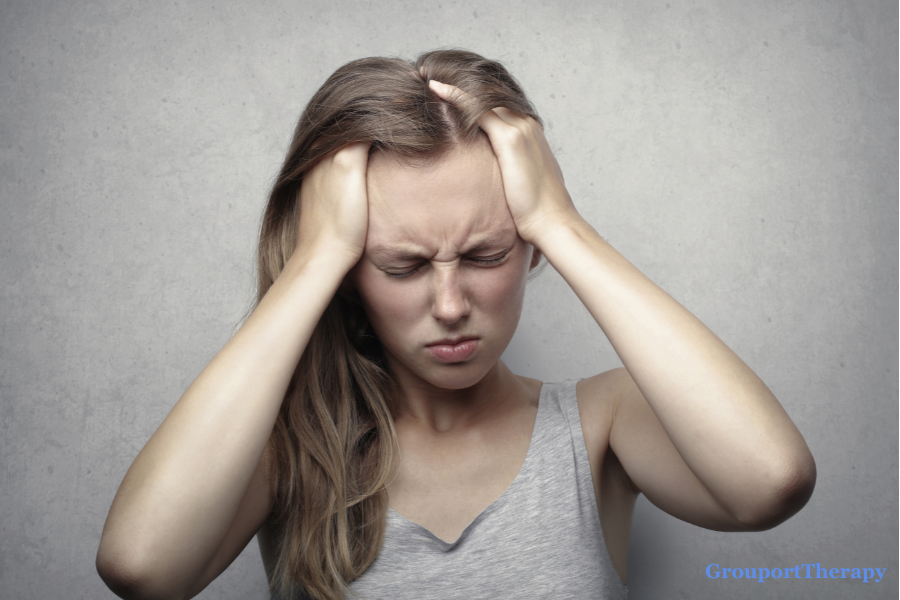
BPD self-sabotaging behavior can affect relationships, routines, work, safety, and self-image, often during moments of intense distress, shame, or fear of rejection. Therapy may help people recognize triggers, slow impulsive reactions, practice DBT skills, and build healthier ways to pause, repair, and cope.
All Journals
Read More

BPD & Emotional Regulation
The BPD friendship cycle can make close relationships feel intense, uncertain, and emotionally exhausting. This guide explains why friendship patterns may feel unstable, how fear of rejection can affect connection, and how DBT-informed therapy may support healthier communication, repair, and emotional regulation.
All Journals
Read More

BPD & Emotional Regulation
Mild BPD symptoms may still affect emotions, relationships, identity, and coping, even when daily life appears stable from the outside. Early therapy, especially DBT-informed support, may help people recognize patterns sooner, build emotional regulation skills, and prevent repeated conflict, avoidance, or impulsive coping from becoming harder to manage.
All Journals
Read More

BPD & Emotional Regulation
Avoidant BPD is not a formal diagnosis, but it may describe patterns of withdrawal, shame, and fear of rejection linked to BPD-related struggles. Therapy, especially DBT-informed support, may help people understand these patterns, manage emotional intensity, and build safer ways to communicate instead of pulling away.
All Journals
Read More

BPD & Emotional Regulation
Group + individual therapy for BPD can help by combining private support for personal patterns, safety needs, and relationship challenges with structured group practice for DBT skills. This combination may support steadier progress by building emotional regulation, distress tolerance, accountability, and more consistent coping in real-life situations.
All Journals
Read More

BPD & Emotional Regulation
Therapy for borderline personality disorder helps people build emotional regulation, safer coping, stronger relationship skills, and more stable responses during distress. Real progress is usually gradual, showing up as fewer crisis-driven reactions, better repair after conflict, and more consistent use of DBT-informed skills and support.
All Journals
Read More

BPD & Emotional Regulation
This blog explains how therapy for BPD, especially DBT therapy, can help people manage intense emotions, relationship stress, impulsive reactions, and distress more safely. It also guides readers on how to compare BPD therapy options, including individual therapy, group skills training, online care, and self-guided DBT, based on symptoms, safety needs, and clinical support.
All Journals
Read More

Anxiety & Panic
Affordable online therapy can be a practical option for anxiety when it includes licensed support, clear structure, privacy protection, and care that matches the person’s symptoms. The blog explains why the cheapest therapy option is not always the best choice, especially if it lacks therapist access, safety guidance, personalization, or proper credentials.
All Journals
Read More

Therapy Comparisons
This blog compares online CBT programs and live therapy for anxiety, explaining when self-guided support may work and when therapist-led care is a better fit. It shows that the right choice depends on anxiety severity, daily functioning, safety, and the need for personalized support.
All Journals
Read More

Anxiety & Panic
This blog explains how therapy for adult ADHD can help when focus problems, procrastination, emotional overload, and anxiety create a cycle of stress and burnout. It covers how ADHD and anxiety overlap, how online therapy may support routines and emotional regulation, and how CBT, DBT, individual therapy, couples therapy, group therapy, or higher-support care may fit different needs.
All Journals
Read More

Anxiety & Panic
This blog explains how high-functioning anxiety can affect people who appear successful, organized, or “fine” while privately struggling with overthinking, perfectionism, tension, poor sleep, or fear of mistakes. It covers when therapy for anxiety may be useful, how online counseling can help uncover hidden patterns, and how CBT, DBT, ACT, group therapy, individual therapy, and higher-support care may fit different needs.
All Journals
Read More

Anxiety & Panic
This blog explains how online therapy for panic attacks can help people understand panic symptoms, identify triggers, and reduce avoidance before symptoms start controlling daily life. It covers what to do before panic symptoms spiral, when to seek medical help, and how CBT, DBT, group therapy, individual therapy, and higher-support care may fit different needs.
All Journals
Read More

Depression & Mood
This blog explains why the best therapy for depression depends on a person’s symptoms, support needs, privacy level, and daily functioning rather than one single treatment option. It compares CBT, DBT, group therapy, individual therapy, online care, and higher-support options to help readers understand what each approach may help with and when professional guidance is needed.
All Journals
Read More

Depression & Mood
This blog explains when individual therapy for depression may be a better fit for people who need private, focused support for mood, motivation, relationships, grief, or daily functioning. It also covers how online therapy can reduce barriers to care, how one-on-one support compares with group therapy, and what readers should consider before choosing the right depression therapy option.
All Journals
Read More

Anxiety & Panic
This blog explains how group therapy for anxiety helps people practice coping skills in realistic, supportive settings instead of only learning them in theory. It covers how anxiety affects daily life, how online therapy can improve access to care, and how CBT, DBT, ACT, and mindfulness may support symptom management. It also helps readers compare individual therapy, online group therapy, and combined care options based on their needs.
All Journals
Read More
