.png)
Explore all things mental health. Check out some of our latest journals below.
Filter by Topic

Mental Health
Guilt is a common yet powerful emotion that can significantly impact an individual's mental health and overall quality of life. Recognizing guilt, understanding its sources, managing its effects, and leveraging it for personal growth are crucial steps in dealing with this challenging emotion. This article explores the intricacies of guilt and provides insights on how to navigate its challenges effectively.
Read More

Mental Health
Therapy provides a safe and confidential environment for individuals to express their feelings, thoughts, and experiences openly. However, knowing what to discuss can be a daunting task for many. This article will explore various topics that one can talk about in therapy, the importance of honesty in therapeutic conversations, and how to maximize therapeutic sessions for personal growth and healing.
Read More

Mental Health
Talk therapy, also known as psychotherapy or counseling, is a type of mental health treatment that involves talking about thoughts, feelings, and behaviors with a trained professional. Despite its simplicity, the positive effects of talk therapy on mental health can be profound. This article will explore the various benefits of talk therapy, its impact on mental health disorders, and its role in fostering personal growth.
Read More

Mental Health
Talk therapy, or psychotherapy, has proven effective for many in managing mental health issues such as depression or anxiety. However, it may not always be the ideal approach for everyone. Some individuals may find it difficult to articulate their emotions verbally, while others may not see substantial benefits despite regular sessions. Fortunately, several alternative therapeutic methods can help individuals cope with their mental health concerns. This article will discuss art therapy, music therapy, and mindfulness-based interventions as alternatives to traditional talk therapy.
Read More

Mental Health
Initiating a conversation in therapy can often feel overwhelming, especially for those new to the process. However, therapy is an open space for discussing any topic, big or small, that affects your well-being. This article aims to guide you through various potential topics that can be addressed in therapy, focusing on personal struggles, relationships, and self-improvement.
Read More

Mental Health
Talk therapy is a powerful tool that encompasses various techniques used by mental health professionals to aid clients in managing their mental health. The underlying principles of all talk therapy techniques involve open communication, understanding, and cognitive transformation. This article explores three main categories of talk therapy techniques: Cognitive-Behavioral Techniques, Psychoanalytic Techniques, and Humanistic Techniques.
Read More

Mental Health
The realm of mental health care has evolved significantly over the years, and one method of treatment that has held a steadfast place in this field is talk therapy. As a cornerstone of mental health intervention, it has aided countless individuals in their journey towards improved mental health. In this article, we will delve into the effectiveness of talk therapy by discussing its foundational premise, benefits, and critical factors that influence its success.
Read More

Mental Health
In the realm of mental health treatment, different approaches are adopted to help individuals navigate their unique challenges. Talk therapy and psychotherapy are two such common methods. While they may seem similar on the surface, they do have distinctive features and techniques. This article will explore the comparison between talk therapy and psychotherapy, their techniques, and how they can be effectively utilized to manage mental health conditions.
Read More

Mental Health
Eye Movement Desensitization and Reprocessing (EMDR) and talk therapy are both valuable therapeutic techniques used in managing mental health conditions. Although both aim to alleviate psychological distress, their approaches and methodologies vary significantly. This article presents a comparative study between EMDR and talk therapy, explaining what they are, their techniques, and their applications.
Read More

Mental Health
Cognitive-behavioral therapy (CBT) is an integral part of the broader category of talk therapies. Used widely for a range of psychological disorders, including anxiety, depression, and phobias, CBT is a goal-oriented approach that treats problems by modifying thought patterns and behaviors. This article explores CBT as a form of talk therapy, describing its process, efficacy, and application.
Read More

Mental Health
Talk therapy has evolved significantly over the decades, adapting to the ever-changing nuances of our society. Modern talk therapy is an umbrella term that encompasses various therapy types, each with its unique approach to facilitate mental health and wellbeing. This article explores modern talk therapy's current landscape, focusing on its transformation, benefits, and common types prevalent today.
Read More
Mental Health
Access to mental health care, including talk therapy, is a crucial aspect of holistic well-being. Yet, the cost can often be a barrier, preventing individuals from seeking help when they need it. This article provides an exploration of affordable talk therapy, looking at ways to access cost-effective services, what to expect, and the importance of this accessibility for the broader public health context.
Read More

Mental Health
Mental health care has evolved significantly, introducing innovative approaches like walk and talk therapy. As the name suggests, walk and talk therapy combines physical activity - walking - with traditional talk therapy. This article explores the benefits of this unique therapeutic approach, its impact on mental health, and who might find it especially beneficial.
Read More

Mental Health
Each year, August is celebrated as National Wellness Month in many countries. This dedicated time is a reminder for individuals to focus on self-care, managing stress, and promoting healthy habits. This article dives into the history, significance, and practical ways to engage with National Wellness Month.
Read More

Mental Health
Couples therapy can be a vital tool in improving communication, resolving conflicts, and strengthening the emotional connection between partners. A common query, however, is what topics should be discussed during these sessions. In this article, we'll delve into three crucial areas to explore in couples therapy: relationship dynamics, conflict resolution, and future aspirations.
Read More

Mental Health
Group therapy has been a long-standing treatment approach in the world of psychology, offering a unique platform for individuals to share, connect, and grow. It can be a transformative experience that cultivates a supportive environment, fostering a sense of camaraderie and empathy among participants. This article will dive into the essence of group therapy, exploring its various elements, the roles you might adopt within it, and the techniques employed by therapists to facilitate effective sessions.
Read More

Mental Health
Group therapy is a form of psychotherapy that involves one or more therapists working with several people simultaneously. This type of therapy has gained recognition due to its effectiveness in addressing various psychological issues, allowing participants to learn from others' experiences and develop effective coping strategies. This article delves into the essence of group therapy techniques and explores their profound impact on the therapeutic process.
Read More

Mental Health
Mental health is essential to overall well-being, influencing everything from physical health to productivity and quality of life. Services promoting mental health and treating mental disorders are crucial in maintaining this balance. This article will delve into the significant benefits of engaging with mental health services.
Read More

Mental Health
In the evolving digital landscape, the mental health field has seen significant shifts in service delivery. One of these changes includes the transition of group therapy to online platforms. As online group therapy becomes increasingly accessible, the question arises: is it effective? This article will explore online group therapy, its potential benefits, effectiveness, and some considerations when choosing this therapeutic modality.
Read More
Mental Health
Group therapy is a form of therapy where one or more therapists work with several individuals at the same time. It provides a supportive environment to explore issues, learn new strategies, and connect with others who share similar experiences. If you're considering group therapy, you might wonder how to participate effectively. This article will outline the steps involved in participating in group therapy, from finding a group to making the most out of sessions.
Read More

OCD & ERP Therapy
Online ERP therapy helps people with OCD gradually face triggers while reducing compulsions, avoidance, reassurance seeking, and mental rituals. Effective ERP should be therapist-guided, personalized, and carefully paced, with individual therapy, group support, family involvement, or higher-level care chosen according to symptom severity and safety needs.
All Journals
Read More

OCD & ERP Therapy
Online therapy for OCD can combine exposure and response prevention (ERP) with support groups to address compulsions, avoidance, reassurance seeking, and intrusive thoughts. ERP provides structured, therapist-guided treatment, while groups can add education, connection, and accountability, but should not replace clinical care when symptoms are severe or significantly disruptive.
All Journals
Read More

BPD & Emotional Regulation
BPD hypersexuality can involve sexual impulsivity, validation seeking, shame, and intense efforts to feel connected or avoid rejection. This guide explains how these patterns may develop, how DBT and other therapy approaches can help, and when professional or higher-level support may be needed.
All Journals
Read More

BPD & Emotional Regulation
BPD self-sabotaging behavior can affect relationships, routines, work, safety, and self-image, often during moments of intense distress, shame, or fear of rejection. Therapy may help people recognize triggers, slow impulsive reactions, practice DBT skills, and build healthier ways to pause, repair, and cope.
All Journals
Read More

BPD & Emotional Regulation
The BPD friendship cycle can make close relationships feel intense, uncertain, and emotionally exhausting. This guide explains why friendship patterns may feel unstable, how fear of rejection can affect connection, and how DBT-informed therapy may support healthier communication, repair, and emotional regulation.
All Journals
Read More

BPD & Emotional Regulation
Mild BPD symptoms may still affect emotions, relationships, identity, and coping, even when daily life appears stable from the outside. Early therapy, especially DBT-informed support, may help people recognize patterns sooner, build emotional regulation skills, and prevent repeated conflict, avoidance, or impulsive coping from becoming harder to manage.
All Journals
Read More

BPD & Emotional Regulation
Avoidant BPD is not a formal diagnosis, but it may describe patterns of withdrawal, shame, and fear of rejection linked to BPD-related struggles. Therapy, especially DBT-informed support, may help people understand these patterns, manage emotional intensity, and build safer ways to communicate instead of pulling away.
All Journals
Read More

BPD & Emotional Regulation
Group + individual therapy for BPD can help by combining private support for personal patterns, safety needs, and relationship challenges with structured group practice for DBT skills. This combination may support steadier progress by building emotional regulation, distress tolerance, accountability, and more consistent coping in real-life situations.
All Journals
Read More

BPD & Emotional Regulation
Therapy for borderline personality disorder helps people build emotional regulation, safer coping, stronger relationship skills, and more stable responses during distress. Real progress is usually gradual, showing up as fewer crisis-driven reactions, better repair after conflict, and more consistent use of DBT-informed skills and support.
All Journals
Read More

BPD & Emotional Regulation
This blog explains how therapy for BPD, especially DBT therapy, can help people manage intense emotions, relationship stress, impulsive reactions, and distress more safely. It also guides readers on how to compare BPD therapy options, including individual therapy, group skills training, online care, and self-guided DBT, based on symptoms, safety needs, and clinical support.
All Journals
Read More

Anxiety & Panic
Affordable online therapy can be a practical option for anxiety when it includes licensed support, clear structure, privacy protection, and care that matches the person’s symptoms. The blog explains why the cheapest therapy option is not always the best choice, especially if it lacks therapist access, safety guidance, personalization, or proper credentials.
All Journals
Read More

Therapy Comparisons
This blog compares online CBT programs and live therapy for anxiety, explaining when self-guided support may work and when therapist-led care is a better fit. It shows that the right choice depends on anxiety severity, daily functioning, safety, and the need for personalized support.
All Journals
Read More

Anxiety & Panic
This blog explains how therapy for adult ADHD can help when focus problems, procrastination, emotional overload, and anxiety create a cycle of stress and burnout. It covers how ADHD and anxiety overlap, how online therapy may support routines and emotional regulation, and how CBT, DBT, individual therapy, couples therapy, group therapy, or higher-support care may fit different needs.
All Journals
Read More

Anxiety & Panic
This blog explains how high-functioning anxiety can affect people who appear successful, organized, or “fine” while privately struggling with overthinking, perfectionism, tension, poor sleep, or fear of mistakes. It covers when therapy for anxiety may be useful, how online counseling can help uncover hidden patterns, and how CBT, DBT, ACT, group therapy, individual therapy, and higher-support care may fit different needs.
All Journals
Read More

Anxiety & Panic
This blog explains how online therapy for panic attacks can help people understand panic symptoms, identify triggers, and reduce avoidance before symptoms start controlling daily life. It covers what to do before panic symptoms spiral, when to seek medical help, and how CBT, DBT, group therapy, individual therapy, and higher-support care may fit different needs.
All Journals
Read More

Depression & Mood
This blog explains why the best therapy for depression depends on a person’s symptoms, support needs, privacy level, and daily functioning rather than one single treatment option. It compares CBT, DBT, group therapy, individual therapy, online care, and higher-support options to help readers understand what each approach may help with and when professional guidance is needed.
All Journals
Read More

Depression & Mood
This blog explains when individual therapy for depression may be a better fit for people who need private, focused support for mood, motivation, relationships, grief, or daily functioning. It also covers how online therapy can reduce barriers to care, how one-on-one support compares with group therapy, and what readers should consider before choosing the right depression therapy option.
All Journals
Read More

Anxiety & Panic
This blog explains how group therapy for anxiety helps people practice coping skills in realistic, supportive settings instead of only learning them in theory. It covers how anxiety affects daily life, how online therapy can improve access to care, and how CBT, DBT, ACT, and mindfulness may support symptom management. It also helps readers compare individual therapy, online group therapy, and combined care options based on their needs.
All Journals
Read More
Anxiety & Panic
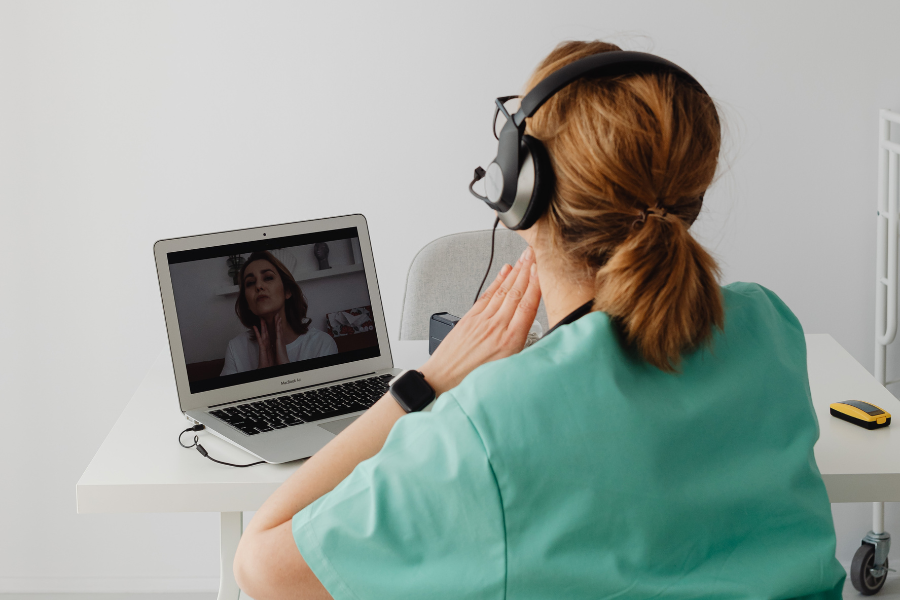
Online therapy for anxiety and depression can help people understand the loop between worry, low energy, avoidance, and emotional shutdown. This blog explains how anxiety and depression often overlap, what online therapy can support, and how to choose a Grouport therapy option that fits your symptoms, schedule, and level of care.
All Journals
Read More

Anxiety & Panic
Finding therapy for anxiety online should not add more stress to your week. This guide explains how to choose realistic, therapist-led support that fits your schedule, needs, symptoms, and daily responsibilities, from individual therapy to group, DBT, teen, family, and couples therapy options.
All Journals
Read More
