Online therapy for agoraphobia from just $25/session with licensed therapists (PhD, PsyD, LCSW, LMHC, LMFT) specializing in evidence-based approaches including CBT, gradual exposure therapy, and interoceptive exposure. At Grouport, we offer online individual therapy, online group therapy, and virtual IOP options designed to help you gradually expand your comfort zone, reduce avoidance behaviors, and regain confidence in everyday situations.
Whether you prefer personalized one-on-one care or the shared support of a therapist-led group, our online agoraphobia therapy connects you to expert guidance from the safety of your own home, which is especially important when leaving the house feels overwhelming.

Consistently Recognized as the #1 Online Therapy pick
.svg)

.png)
.png)
.png)

At Grouport, we offer a range of agoraphobia treatment options to help individuals overcome agoraphobia, reduce avoidance patterns, and build the confidence to re-engage with the world. Online therapy for agoraphobia is uniquely suited to this condition because you can begin treatment from the safety of home. Many members choose to mix and match therapy formats.

Agoraphobia is more than just feeling uncomfortable in crowded places. It is a clinical condition characterized by intense fear and avoidance of situations where escape might feel difficult or help unavailable. If these patterns sound familiar, agoraphobia therapy can help you break the cycle.
Common signs to watch for include:
If you recognize these patterns in yourself or a loved one, working with a licensed therapist can help you build confidence, reduce avoidance, and regain your freedom.
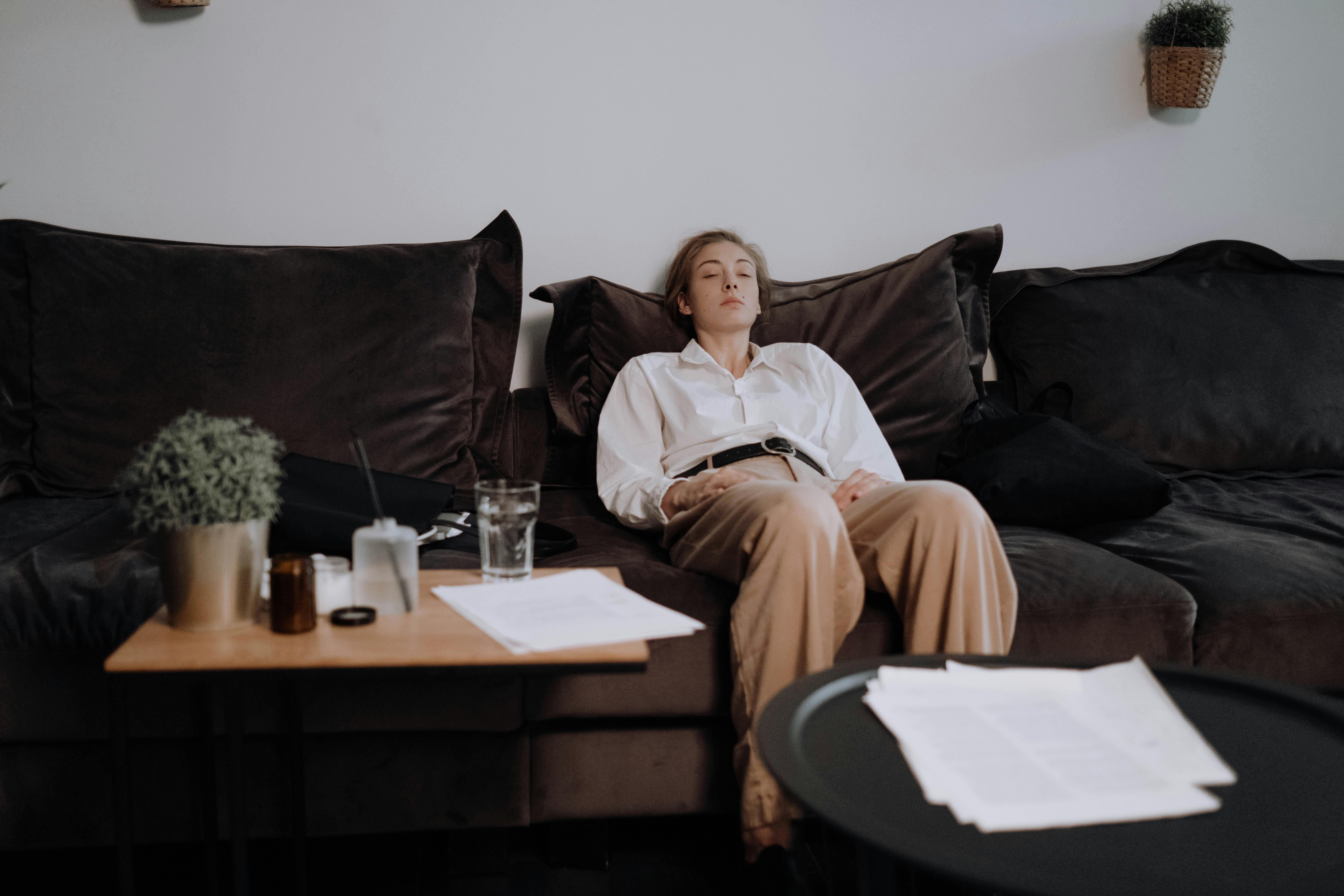
Agoraphobia does not just limit where you can go. The fear, avoidance, and isolation it creates can disrupt every part of your life, often in ways that compound over time as your comfort zone continues to shrink.
Agoraphobia can make commuting to work, attending meetings, or even working in an office impossible. Many people with agoraphobia lose jobs or limit career options because they cannot reliably leave home, leading to financial stress and reduced professional fulfillment.
When you avoid public places, social gatherings shrink. Friends stop inviting you out, family events feel impossible, and isolation deepens. Relationships suffer as loved ones struggle to understand why you cannot just push through it.
Avoiding the outside world often means reduced physical activity, limited access to healthcare appointments, and reliance on delivery services. The sedentary lifestyle that agoraphobia creates can lead to weight gain, cardiovascular issues, and overall decline.
Grocery shopping, banking, doctor visits, picking up prescriptions: tasks most people do without thinking become sources of dread. Many people with agoraphobia become dependent on others for basic needs, eroding their sense of autonomy and self-worth.
The constant avoidance feeds a cycle of shame and frustration. You know your fear is limiting your life, but each avoided situation reinforces the belief that you cannot cope, deepening anxiety, depression, and feelings of helplessness.
Agoraphobia can prevent you from attending your children's school events, driving them to activities, or taking family trips. The guilt of not being able to fully participate in family life adds emotional weight on top of the anxiety itself.
Starting therapy when you are already exhausted and unmotivated can feel like a big ask. Here is what your first few sessions typically look like.
Your therapist will ask about your experience with agoraphobia: when it started, what situations you avoid, how it has changed over time, and what your daily life looks like now. This is a judgment-free conversation to help them understand your unique situation.
Together, you will map out the specific situations, places, and physical sensations that trigger your anxiety. Your therapist will help you understand the cycle of avoidance and how it reinforces agoraphobia over time.
You and your therapist will define what progress looks like for you, whether that is riding public transportation, going to the grocery store alone, or simply stepping outside your front door. Goals are always personalized and at your pace.
Your therapist will introduce evidence-based techniques like gradual exposure, cognitive restructuring, and interoceptive exposure. You will leave your first session with a clear understanding of the therapeutic approach and initial steps to practice before your next session.
See how our therapy options have helped our members experience life-changing results
Stephanie

“Grouport is time flexible and affordable and if it didn’t exist, I don’t know where I would go. I had looked into other places before Grouport and there really wasn’t any option like it.”
Michael
“I highly recommend this to anyone who is struggling with anxiety or depression. The therapists are top notch and have made me feel really comfortable and my anxiety has improved tremendously in only a few sessions!”
Isabel
"I joined Grouport to work on myself and to heal. I’m learning so much at every session! The change I see not only in myself but in my fellow group members is abundantly encouraging and profoundly fulfilling. Group therapy with Grouport is a powerful healing tool."
Sheldon
“I was feeling very down at the end of 2020 and I was ready to do something drastic that I know I'd likely regret. The group definitely helped show me that there are people who feel the same way as I do.”
Nancy
“The therapy from Grouport is high quality and convenient. I am becoming much more self aware and am liking myself more. My relationships at work are better and I’m much happier.”
Emily
“I like the connection you can make with total strangers and the confidentiality it comes with.”
Danielle
"Grouport can help you with your issues. Their therapists are well trained to work with you on your issues. I felt my anxiety greatly improve after only a few sessions. I highly recommend it!"
Glenn
"Grouport's approach to DBT is a real strength. This approach provides tools and methods for working with difficult emotions and getting a handle on them. It has given me hope where other approaches have failed."
At Grouport, our virtual agoraphobia therapy integrates several evidence-based therapeutic techniques designed to help you reduce fear, expand your comfort zone, and develop lasting confidence:
CBT is the gold-standard treatment for agoraphobia. It helps you identify and challenge the catastrophic thoughts that fuel avoidance, such as "I will have a panic attack and no one will help me" or "I will be trapped and unable to escape." By examining the evidence for and against these beliefs, you develop more realistic and balanced ways of thinking about feared situations.
Agoraphobia often leads to withdrawal and inactivity, which worsens mood and reinforces avoidance. Behavioral activation helps you gradually re-engage with meaningful activities and daily routines, rebuilding the momentum and confidence that avoidance has taken away. Your therapist will help you schedule small, manageable outings that align with your values.
Many people with agoraphobia fear the physical sensations of panic itself: racing heart, dizziness, shortness of breath. Interoceptive exposure deliberately recreates these sensations in a safe environment through exercises like spinning, breathing through a straw, or running in place, so you learn that these sensations are uncomfortable but not dangerous.
Exposure therapy is the most effective component of agoraphobia treatment. Working with your therapist, you create a personalized fear hierarchy, ranking situations from least to most anxiety-provoking. You then systematically face these situations step by step. Over time, your anxiety naturally decreases through habituation, and you build evidence that you can cope in situations you once thought impossible.
ACT helps you accept anxious thoughts and feelings rather than fighting them, while committing to actions aligned with your values. Instead of waiting until anxiety disappears to live your life, ACT teaches you to move toward what matters even in the presence of fear. This is especially powerful for agoraphobia because it shifts the goal from eliminating anxiety to living fully despite it.
DBT skills, particularly distress tolerance and emotion regulation, give you practical tools for managing intense anxiety in the moment. Techniques like TIPP (Temperature, Intense exercise, Paced breathing, Progressive relaxation) can help you move through panic without retreating. Mindfulness skills help you observe anxious thoughts without automatically reacting to them.
Every Grouport therapist is a licensed, accredited mental health professional. Our network includes specialists trained in evidence-based agoraphobia treatment approaches.
Our therapists typically have over a decade of clinical experience across diverse settings, with specialized expertise in mood disorders, agoraphobia-related anxiety, and evidence-based interventions like CBT, gradual exposure therapy, and DBT.
We continually evaluate outcomes through internal studies and outcomes studies with researchers from leading universities such as Carnegie Mellon, University of Essex, and University of Cologne, ensuring our agoraphobia therapy is grounded in the latest clinical evidence.
MEET OUR THERAPISTS
a healthier future starts right here

80%of our members start with moderate to severe mental health symptoms
70% of our members feel significantly better within just 8 weeks
50% of our members achieve remission levels within just 8 weeks
80%
of our members start with moderate to severe mental health symptoms
70%
of our members feel significantly better within just 8 weeks
50%
of our members achieve remission levels within just 8 weeks

Group, individual, couples, family, IOP, and teen therapy - all online, all therapist-led. Mix and match care options to fit your needs , and get discounted pricing when you bundle.


.svg)
Agoraphobia often co-occurs with other mental health conditions. Our licensed therapists are experienced in treating a wide range of challenges, and many members address multiple concerns simultaneously through our flexible therapy options.
Whether you're avoiding situations that used to feel manageable, struggling with agoraphobia-related anxiety, or looking to prevent another year of lost months, therapy can help you take back control. Start building a life where the seasons don't dictate how you feel.

