Self-Paced Learning

Master DBT Skills with Our Self-Guided Program in California

Learn Dialectical Behavior Therapy at your own pace in California. Regulate emotions, tolerate distress, and build stronger relationships with 48 therapist-guided video sessions and lifetime access.

48

~$10

Lifetime

Woman attending online therapy session via video call

Mental Health & DBT in California

Understanding the landscape of mental health care access and the challenges
residents face across the state.

Mental Illness Prevalence

The mental illness prevalence rate in California is 22.2 percent among adults, which equals about 8,754,739 residents.

Wait Time

The average wait time for therapy in California is 8–12 weeks, which can delay starting structured DBT skills training even when residents are ready to begin.

Median Household Income

The median household income in California is $96,334, which shapes affordability for structured DBT skills training.

Percentage Who Need Therapy

In California, 24.5 percent of adults who needed mental health care did not receive it, reflecting a substantial access gap for residents who want structured support.

Provider Shortage

In California, 77.60 percent of counties are designated Mental Health Professional Shortage Areas, limiting local access to structured DBT skills training for residents seeking care.

Mental Health Providers per 100k Residents

California has 461.4 mental health providers per 100,000 residents, indicating constrained capacity relative to statewide demand for evidence-based skills work.

California’s mental health needs are large, and access to care is strained.


The mental illness prevalence rate in California is 22.2 percent among adults, which translates to 8,754,739 residents experiencing mental illness each year. In California, 24.5 percent of adults who needed mental health care did not receive it, leaving a substantial share of residents without timely support. Capacity constraints are visible in the workforce numbers: California has 461.4 mental health providers per 100,000 residents. Shortages are not isolated to a few regions either, since 77.60% of the state is designated as Mental Health Professional Shortage Areas. When residents do find a provider, the average wait time for therapy in California is 8–12 weeks, delaying care during periods when symptoms and daily functioning can worsen. These access pressures play out across a state of 39,431,263 residents spread over 163,696 square miles and organized into 58 counties, where demand for specialized approaches like DBT competes with broad, ongoing mental health needs.


Access barriers in California are shaped by both scale and logistics. A statewide provider rate of 461.4 per 100,000 residents has to serve a population where 8,754,739 people experience mental illness annually, and where 77.60% of the state falls within shortage designations. That mismatch shows up in the 8–12 week wait window, which can interrupt continuity for residents who need structured skills work and consistent practice. Practical constraints add another layer: California’s average commute is 29 minutes, and weekly in-person appointments can add up to 50 hours annually in travel time alone. In major metros such as Los Angeles and San Francisco, parking commonly runs $20-$60 per session, totaling $1,040-$3,120 yearly before session fees. For residents living on California’s median household income of $96,334, these combined pressures make it harder to start quickly, attend consistently, and stay engaged long enough to benefit from DBT skills training.


UNDERSTANDING THE CHALLENGE

DBT challenges in California

The Problem

California's 39,431,263 residents face significant barriers to structured DBT skills training across the state's 163,696 square miles. With 22.2 percent experiencing mental illness annually, or 8,754,739 California residents, and only 461.4 mental health providers per 100,000 residents, demand for evidence-based skills work far exceeds supply. In-person DBT programs typically run 24 or more weeks of weekly attendance, and California's 29-minute average commute translates to about 50 hours annually in travel time alone. Add $20 to $60 in parking per session in major metros like Los Angeles and San Francisco, or $1,040 to $3,120 yearly, along with 8 to 12 week average waits to begin care, and access becomes prohibitively difficult. For California's median household income of $96,334, a full national-average DBT sequence at $150 to $250 per session turns skills training into a multi-thousand-dollar out-of-pocket cost before parking and time are counted.

The Impact

California's 95.0 percent urban population concentrates 8,754,739 residents experiencing mental illness into 58 counties where demanding professional work culture and 29-minute average commutes already consume 50 hours annually. Adding a 24-week in-person DBT program means California residents lose 2 or more additional hours per session to congested traffic and $20 to $60 in per-session parking in Los Angeles and San Francisco, or $1,040 to $3,120 yearly before session fees. For California's median household income of $96,334, national average DBT session rates of $150 to $250 make a full skills sequence financially punishing before travel is counted. The result: most California residents either skip DBT skills training entirely or start and stop through fragmented sessions that lose the repetition and continuity DBT skills work depends on.

The Solution

For California's 8,754,739 residents needing structured DBT skills across 163,696 square miles, the Grouport DBT Self-Guided Program removes the 50 hours of annual commute time, $1,040 to $3,120 in yearly parking costs, and 8 to 12 week waitlists that make traditional in-person DBT programs impractical. California residents watch 48 therapist-recorded video sessions built by clinicians who specialize in DBT, streamed from home or office on any device, at their own pace and on their own schedule. There are no 29-minute drives through congested traffic, no parking in Los Angeles or San Francisco, no 2-hour time blocks away from demanding careers, and no waitlist between deciding to start and beginning the first module. At $500 one-time for lifetime access, the program costs less than a single quarter of national-average DBT sessions at $150 to $250 each, and California residents can revisit any lesson, worksheet, or module as often as they need across the four DBT skill areas of mindfulness, distress tolerance, emotion regulation, and interpersonal effectiveness.

In California, 77.60 percent of counties are designated Mental Health Professional Shortage Areas, limiting local access to structured DBT skills training for residents seeking care.

The Grouport DBT Self-Guided Program removes the practical barriers of accessing structured DBT skills training in California by delivering the full program as on-demand video lessons with lifetime access. Residents can begin the same day they purchase instead of waiting 8 to 12 weeks for a local opening, watch and rewatch lessons on their own schedule around work, caregiving, or shift-based hours, and skip the 50 hours of annual commuting and $1,040 to $3,120 in parking that weekly in-person attendance would require. Across California's 58 counties, that means the same evidence-based curriculum is available whether a resident lives in Los Angeles, San Francisco, the Central Valley, or a rural northern county.

Getting DBT in California: Wait Times and Barriers

California’s DBT access constraints reflect a statewide capacity problem rather than isolated scheduling issues. With 22.2 percent of adults experiencing mental illness and 8,754,739 residents affected annually, demand is persistent across 58 counties. Yet California has 461.4 mental health providers per 100,000 residents, and 77.60% of the state is designated as Mental Health Professional Shortage Areas. When specialized care is needed, these constraints narrow options and reduce continuity, especially for residents trying to maintain weekly skills practice.

Geographic Barriers

California’s size and distribution of services create practical barriers even before a first appointment is booked. The state spans 163,696 square miles, and residents often navigate care across long distances or congested corridors depending on where providers are concentrated. The average commute is 29 minutes, and adding a weekly appointment can translate into 50 hours annually in travel time alone. For residents balancing work, caregiving, or school schedules, that time burden can become a deciding factor in whether DBT skills work is started and sustained. In a state where 95.0% of the population is urban, traffic patterns and appointment timing can still make a single weekly visit feel like a multi-hour commitment, particularly when clinics are not near home or work.

Extended Wait Times

The average wait time for therapy in California is 8–12 weeks, which can delay structured support during periods of escalating distress, relationship conflict, or functional impairment. In practice, an 8–12 week delay can also disrupt motivation and reduce follow-through, especially for residents seeking DBT skills that rely on repetition and consistent application. Wait times also limit choice: when openings are scarce, residents may accept less convenient times or locations, increasing missed sessions and reducing continuity. For residents who need a predictable weekly rhythm to build emotion regulation and distress tolerance skills, long waits can turn care into a stop-start process rather than a stable plan.

Systemic Challenges

The combination of provider scarcity and high unmet need in California means access barriers are systemic, not incidental. With 24.5 percent of adults who needed mental health care unable to receive it, the underlying inefficiencies of the current system restrict both choice and continuity for residents. These barriers extend beyond scheduling: residents often face logistical challenges securing appointments that accommodate work hours, managing absences due to waitlist bottlenecks, and contending with the psychological impact of delayed or fragmented care. While some urban centers offer greater provider density, the statewide statistics reflect a persistent difficulty in accessing DBT-focused services regardless of location. For residents navigating these challenges, availability is not only about the number of providers, but whether effective, affordable intervention is accessible when it is most needed.

Urban-Rural Divide

Shortage designations covering 77.60% of California mean that access constraints can show up in both rural regions and dense metro areas. In less populated areas, fewer nearby options can translate into longer drives and fewer appointment slots. In major cities, the issue often shifts to limited openings, high demand, and the friction of travel within heavy congestion. Across 58 counties, residents can encounter the same outcome through different pathways: delayed starts, reduced consistency, and difficulty maintaining weekly participation. For DBT in particular, where skills are strengthened through steady practice, inconsistent access can weaken the ability to build momentum and apply tools in real time.

The Grouport DBT Self-Guided Program removes these access constraints by delivering DBT skills training as a video program California residents can start the same day, without traveling across the state's 163,696 square miles or waiting 8 to 12 weeks for a local opening. Lifetime access supports the repeated practice DBT depends on, since residents can revisit any module as skills come up in real life. For residents navigating shortage designations across 77.60 percent of the state, an on-demand format expands practical availability without adding commute time, parking logistics, or scheduling strain.

Affordable DBT for California Residents

Grouport provides California residents with DBT lifetime access at $500 onetime, avoiding the repeated per-session costs that often accompany traditional care. National pricing for therapy commonly ranges from $150–$250 per session, and delays can add additional indirect costs when care is postponed. In California, where the average wait time for therapy is 8–12 weeks and 77.60% of the state is designated as Mental Health Professional Shortage Areas, affordability and timing often intersect. A one-time DBT program fee can reduce the financial friction of getting started while supporting consistent skills practice.

Affordability and Income

At $500 onetime for lifetime access, Grouport’s DBT program offers a predictable cost structure compared with national per-session pricing of $150–$250 per session. For California’s median household income of $96,334, the one-time fee equals 0.52% of annual income. By comparison, a single session at national pricing equals 0.16%–0.26% of annual income per visit, and repeated sessions can quickly compound into a larger ongoing expense. Cost pressure is amplified by access constraints: California has 461.4 mental health providers per 100,000 residents, and 24.5 percent of adults who needed mental health care did not receive it. When availability is limited and wait times run 8–12 weeks, residents may spend more time searching, rescheduling, or restarting care, which can increase the total financial and time burden even before consistent DBT skills work begins.

Hidden Cost and Barriers

Beyond session fees, California's high cost of living extends to therapy-related expenses. In major metros like Los Angeles and San Francisco, parking adds $20 to $60 per session, totaling $1,040 to $3,120 annually for weekly appointments. California's average 29-minute commute each way also adds about 50 hours annually in travel time for weekly care, which can translate into missed work time or reduced flexibility for residents with fixed schedules. These hidden costs are not evenly distributed: residents in dense urban areas may pay more in parking and lose more time to congestion, while residents farther from provider hubs may face longer drives across a state spanning 163,696 square miles. The Grouport DBT Self-Guided Program removes parking costs entirely and eliminates the appointment-based time burden, letting California residents study each of the 48 lessons in whatever time window their schedule allows.

Immediate Availability

California's 8 to 12 week average wait time for therapy equals 56 to 84 days without professional support, which can be especially disruptive when residents are seeking structured skills for emotion regulation and distress tolerance. Delays can also reduce continuity, since residents may need to restart intake processes or accept less workable appointment times once openings appear. The Grouport DBT Self-Guided Program removes this delay entirely: California residents get immediate access to the full 48-session curriculum on purchase, so skills work can begin the same day the decision to start is made.

Hear What The Program Offers

Susana Potter, LMHC, explains how this DBT self-guided program can help you build essential skills for emotional wellness.

Learn what DBT can do for you
Meet your instructor Susana Potter
Understand the transformation ahead

What Does the DBT Self-Guided Program Help With?

Self-paced online DBT therapy program icon

Build Self-Awareness

Develop a deeper understanding of your emotions, triggers, and patterns of behavior
Self-paced online DBT therapy program icon

Manage Painful Thoughts & Feelings

Learn proven techniques to process difficult emotions without being overwhelmed
Self-paced online DBT therapy program icon

Express Yourself Better

Communicate more effectively in all kinds of relationships—personal and professional
Self-paced online DBT therapy program icon

Build Healthier Habits

Replace destructive patterns with sustainable, positive behaviors that last

This program helps if you're experiencing:

BPD Trauma & PTSD Bipolar Disorder Anxiety Depression Rage Lashing Out in Relationships Emotional Detachment Mistrust Fear of Abandonment Anger Management Relationship Conflict Chronic Stress
DBT
Mindfulness
Distress
Tolerance
Emotion
Regulation
Interpersonal
Effectiveness
The four core modules of DBT work together to create lasting change

What You'll Get

A comprehensive year's worth of DBT training designed to help you master emotional regulation and build healthier habits.

48 Video Sessions

A full year of therapist-guided recorded sessions averaging 22 minutes each. Watch at your own pace and revisit anytime.

Weekly Homework

Homework assignments designed to boost accountability and help you practice skills in real-world situations.

In-Depth Manuals

Comprehensive skill manuals for each session with detailed explanations, exercises, and reference materials.

Expert Facilitator

Learn from Susana Potter, LMHC, with over 14+ years of therapeutic experience specializing in DBT.

Peer Support

Connect with peers on your DBT journey through our supportive community forum for ongoing encouragement.

Lifetime Access

One-time payment for permanent access. Revisit sessions, retake modules, and continue learning for ongoing support.

Get Lifetime Access

One-time payment • Instant access • No subscription

How It Works

A simple, structured approach to mastering DBT skills at your own pace.

1

Enroll Instantly

Comprehensive skill manuals for each session with detailed explanations, exercises, and reference materials.

2

Learn at Your Pace

Watch weekly videos, complete homework assignments, and read the skill manuals on your own schedule.

3

Master DBT Skills

Practice in real life, connect with peers in the forum, and revisit materials anytime for reinforcement.

Comprehensive DBT Curriculum

Self-paced online DBT therapy program icon

17+ Hours of Content

48 sessions averaging 22 minutes each
Self-paced online DBT therapy program icon

Evidence-Based Methods

Proven techniques used by therapists worldwide

6 Core Modules

DBT Foundations Mindfulness Emotion Regulation Distress Tolerance Interpersonal Effectiveness Advanced Applications

All 48 Sessions

Scroll to explore the complete curriculum

1

Introductions & DBT Basics

Getting started with Dialectical Behavior Therapy fundamentals

2

Dialectics - Principles & Applications

Understanding dialectical thinking and its real-world uses

3

Mindfulness - Mindfulness Myths & The Path to Wise Mind

Dispelling myths and finding your wise mind

4

Emotion Regulation Part 1 - Changing Your Relationship to Emotions

Building a healthier relationship with your emotions

5

Emotion Regulation Part 2 - Techniques

Practical techniques for managing emotions

6

Distress Tolerance Part 1 - Guidelines for Use

When and how to use distress tolerance skills

7

Distress Tolerance Part 2 - Techniques

Core distress tolerance techniques and practices

8

Interpersonal Effectiveness Part 1 - Building & Maintaining Strong Relationships

Foundations for healthy relationships

9

Interpersonal Effectiveness Part 2 - Techniques

Advanced interpersonal skills and strategies

10

Cognitive Modification & Problem Solving

Changing thought patterns and solving problems effectively

11

Addictions - Changing Behaviors & Urges

Managing addictive behaviors and urges

12

Building a Satisfying Life - Everyday Care

Creating lasting satisfaction and daily self-care routines

13

Dialectics, The Middle Path & Wise Mind

Deepening dialectical understanding and wise mind practice

14

Practicing Mindfulness "What Skills"

Observe, describe, and participate mindfully

15

Practicing Mindfulness "How Skills"

Non-judgmentally, one-mindfully, and effectively

16

Breathwork, Mindful Movement, Visualization & Daily Practice

Building your daily mindfulness routine

17

SUDS & Crisis Survival Skills

Understanding distress levels and crisis survival

18

Crisis Survival Skills Continued

Advanced crisis survival techniques

19

Reality Acceptance Skills

Learning to accept reality as it is

20

Reality Acceptance Skills Continued

Deepening radical acceptance practice

21

Model for Describing Emotions

Understanding and labeling emotional experiences

22

Mindfulness of Emotions & Secondary Emotions

Observing emotions without judgment

23

ABC and PLEASE Skills

Building positive experiences and self-care

24

Opposite Action & Problem Solving Emotions

Acting opposite to emotion-driven urges

25

Factors Reducing & Goals for IPE

Clarifying interpersonal effectiveness priorities

26

Intensity & Boundaries

Setting healthy boundaries in relationships

27

DEARMAN & FAST Skills

Self-respect effectiveness in action

28

GIVE Skill & Validation

Relationship effectiveness and validating others

29

Mindfulness & Distress Tolerance Skills Review

Consolidating your mindfulness and distress tolerance learning

30

Emotion Regulation Review

Strengthening emotion regulation skills

31

Interpersonal Effectiveness Review

Reinforcing interpersonal skills mastery

32

Mental Health First Aid Kit & Mastery and Maintenance of Skills

Building your personal toolkit for ongoing success

33

Walking the Middle Path: Dialectical Thinking & Wise Mind

Advanced dialectics and wise mind integration

34

The Mindfulness Carnival: "What Skills" and "How Skills"

Playful exploration of mindfulness practices

35

Mindfulness of Body Sensations, Emotions and Thoughts

Full-spectrum mindfulness awareness

36

Daily Mindfulness Practice Show and Tell

Integrating mindfulness into everyday life

37

SUDS, ACCEPTS, TIPP

Crisis survival skills in depth

38

IMPROVE & Self Soothe

Advanced self-soothing and coping strategies

39

Radical Acceptance, Turning the Mind

Deep practice of acceptance and mental redirection

40

Willingness and Willfulness, Pros and Cons, Half Smile

Cultivating willingness and wise decision-making

41

Mindfulness of Emotions & Problem Solving Emotions

Mindful approach to emotional challenges

42

Model for Describing Emotions & Evolutionary Function of Emotions

Understanding why we have emotions

43

ABC and PLEASE Skills

Accumulating positives and taking care of your mind and body

44

Secondary Emotions & Opposite Action

Working with complex emotions and acting opposite

45

IPE Objectives, Factors Reducing IPE & Cheerleading Statements

Maximizing interpersonal effectiveness

46

Intensity & Boundaries

Setting healthy boundaries in relationships

47

DEARMAN & FAST Skills

Advanced practice of assertiveness skills

48

GIVE Skill & Validation

Mastering validation and relationship maintenance

Who Is This Program For?

DBT teaches universal skills that can help anyone, but it's especially effective for those experiencing:

Anxiety & Depression

Borderline Personality

Trauma & PTSD

Bipolar Disorder

Anger Management

Relationship Conflict

Eating Disorders

General Stress

ADHD

Substance Abuse

Suicidal Ideation

Self Harm

Start Building Skills Today

Join thousands who have transformed their lives with DBT
Woman attending online therapy session via video call

14+ Years Experience

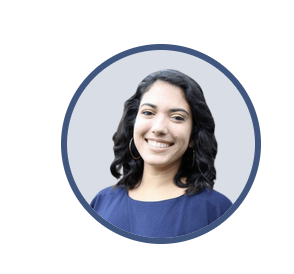
Meet Your Program Leader

Susana Potter, LMHC, BC-DMT

Licensed Mental Health Counselor
Board Certified Dance/Movement Therapist
DBT Specialist

Meaningful Results

Check out how our Self-Guided Program has helped members see life-changing results.

Join Them — Enroll Now

Start seeing results in your own life

AWARDED

"#1 Top Pick" for Dialectical Behavioral Therapy

As recognized by

One-Time Payment, Lifetime Access

Invest in your mental health with a comprehensive program you can return to again and again.

DBT Self-Guided Program

$500

one-time

Lifetime access to complete program

48 therapist-guided video sessions (17+ hours of content)

48 homework assignments for practical skill-building

48 comprehensive reading manuals for deeper learning

Peer community forum for ongoing support

Lifetime access — revisit sessions anytime

Enroll Now

This program gives you a full year of DBT training — 144 pieces of expert content plus lifetime access. That's less than $10 per week for a complete learning package: video lesson, homework assignment, and reading manual — plus ongoing peer support in our community forum.

Affordable Care, Geared to Your Needs

DBT Self-Guided

$500 one-time

lifetime access

Get Started ›
Couples Therapy Group Therapy

$35/session

billed at $140/mo

Get Started ›

or Learn More

Couples Therapy Individual Therapy

$112/session

billed at $448/mo

Get Started ›

or Learn More

Couples Therapy Couples Therapy

$123/session

billed at $492/mo

Get Started ›

or Learn More

Couples Therapy Family Therapy

$160/session

billed at $640/mo

Get Started ›

or Learn More

Couples Therapy IOP

$337/week

billed at $1,348/mo

Get Started ›

or Learn More

Mental Health Conditions We Treat in

California

Beyond the DBT Self-Guided Program, Grouport offers licensed therapists who specialize across the full spectrum of mental health needs and evidence-based approaches. No matter what you're dealing with, we have a care option and therapists who can provide the care you need.

FAQs for DBT in California.

Is online therapy cheaper than in-person therapy in expensive cities in California?

Usually, yes. In-person therapy in places like NYC, SF, LA, Boston run $200-400+ per session easily. Grouport's pricing is the same whether you're in Manhattan or Montana, which means significant savings if you're located in an urban city. Grouport’s Individual therapy sessions average $103/session and our group sessions are between $25-$35/session which are both way less than one in-person individual therapy or group therapy session in most expensive cities. You're also saving commute time and money, no $20 Uber rides or subway fare to get to appointments.

What if talking about trauma makes me feel worse in California?

Some discomfort is part of processing and this is normal and expected. Good therapists manage this carefully. Feeling worse temporarily can precede feeling better and productive discomfort is part of healing. It can hurt temporarily but strengthen you in the long run. Your therapist should prepare you for this, teach coping skills first, and monitor closely to ensure you're challenged but not overwhelmed. If you're consistently feeling worse after several weeks of trauma work, perhaps your pacing needs slowing. However, don't give up immediately when it feels hard as that's often when real healing begins.

Can anxiety ever be completely cured in California?

Managed is more accurate than cured. Most people learn to live well with anxiety rather than eliminate it entirely. Skills learned in therapy provide tools to manage flare-ups quickly before they escalate.

What if antidepressants aren't working to treat my depression in California?

Therapy adds tools medication can't provide. Many people benefit more from therapy plus medication than medication alone. This is why many people who experience depression solely do therapy, and others combine therapy with medication management. Research does show combined therapy plus medication prevents relapse for depression better than medication alone.

What if I have self-harm or suicidal behaviors in California?

Self-harm and suicidal behaviors are prominent BPD symptoms DBT specifically addresses. DBT specifically targets these and they're the priority. Treatment includes a crisis plan for urges, commitment to life and treatment, and processing what triggers these behaviors. DBT approaches safety differently than other therapy in that it doesn't hospitalize automatically for suicidal thoughts unless there’s imminent danger, treats self-harm as a behavior to decrease not an emergency requiring hospitalization every time, expects you to use skills during urges, and maintains the therapy relationship even through self-destructive behaviors. Boundaries exist and imminent safety risk requires hospitalization and repeated therapy-interfering behaviors are addressed directly. This approach empowers you to manage urges rather than relying on external control. Most people significantly reduce self-harm and suicidal behaviors within 6-12 months of DBT.

Can DBT skills help with trauma or PTSD?

DBT skills can help manage PTSD symptoms even though DBT wasn't designed for trauma specifically. Grounding and mindfulness (bringing yourself back to the present when having flashbacks), distress tolerance (riding out trauma responses), emotion regulation (managing intense fear, shame, anger from trauma). That said, DBT doesn't replace trauma processing work, you probably also need trauma-focused therapy like EMDR, CPT, or PE to actually work through the traumatic memories. Think of DBT as teaching you to stabilize and cope while doing trauma work, not replacing trauma work entirely.

What's the mindfulness module about?

Mindfulness in DBT means paying attention to the present moment without judgment. Not thinking about the past or worrying about the future—just being here now, noticing what's happening. The main mindfulness skills are observe by noticing what's going on without reacting, describe by putting into words what you're experiencing without interpretation, and participate to get fully involved in what you're doing. You practice these one-mindfully focusing on one thing at a time, non-judgmentally without labeling things good or bad, and effectively doing what works rather than what's right. Mindfulness is the foundation for all other DBT skills because you can't manage emotions or use skills if you're not even aware of what's happening.

Can this help with anger problems in California?

Definitely. Distress tolerance and emotion regulation skills apply directly to anger management. Lots of DBT techniques are helpful for managing rage, lashing out in relationships, and irritability.

Can this program help with anxiety in California?

Yes. DBT skills apply really well to anxiety and many people who have anxiety find DBT tremendously helpful. Distress tolerance helps with panic, mindfulness addresses racing thoughts, and emotion regulation helps for chronic worry. The DBT self-guided program helps anxiety by teaching you to observe anxious thoughts without just believing them, providing concrete skills for anxiety crises, addressing avoidance patterns that exacerbate anxiety, and building emotion regulation ability.

How long does the program take to complete in California?

Completion time varies by individual pace. The curriculum has a years worth of tangible curriculum so it's intended to be done in chunks where you can really internalize each module before moving on to the next. Little by little you make progress on a specific skill, and you revisit modules so you can master them over time. You can always go back and revisit a module at any time to re-sharpen those skills. DBT skills require ongoing practice, so with consistent effort and practice and implementing them in your day to day life, that’s when you’ll see the greatest results.

Is therapy tax-deductible in California?

Sometimes. If your medical expenses (including therapy) exceed 7.5% of your adjusted gross income, you might be able to deduct the excess on your taxes. Most people don't hit that threshold. Using HSA/FSA gives you tax savings another way through pre-tax dollars. Consult a tax professional about your specific situation.

Can I access the program on my phone in California?
Yes, you can absolutely access the program on a smartphone. However, for the best experience, a computer or tablet is typically recommended.

DBT Across All of California

Counties

Alameda County
Alpine County
Amador County
Butte County
Calaveras County
Colusa County
Contra Costa County
Del Norte County
El Dorado County
Fresno County
Glenn County
Humboldt County
Imperial County
Inyo County
Kern County
Kings County
Lake County
Lassen County
Los Angeles County
Madera County
Marin County
Mariposa County
Mendocino County
Merced County
Modoc County
Mono County
Monterey County
Napa County
Nevada County
Orange County
Placer County
Plumas County
Riverside County
Sacramento County
San Benito County
San Bernardino County
San Diego County
San Francisco County
San Joaquin County
San Luis Obispo County
San Mateo County
Santa Barbara County
Santa Clara County
Santa Cruz County
Shasta County
Sierra County
Siskiyou County
Solano County
Sonoma County
Stanislaus County
Sutter County
Tehama County
Trinity County
Tulare County
Tuolumne County
Ventura County
Yolo County
Yuba County

Cities

Los Angeles
San Diego
San Jose
San Francisco
Fresno
Sacramento
Long Beach
Oakland
Bakersfield
Anaheim
Stockton
Riverside
Irvine
Chula Vista
Fremont
San Bernardino
Modesto
Fontana
Santa Clarita
Oxnard
Moreno Valley
Glendale
Huntington Beach
Santa Rosa
Elk Grove
Santa Ana
Rancho Cucamonga
Oceanside
Ontario
Ventura

Zip Codes

90001, 90004, 90011, 90012, 90017, 90024, 90025, 90036, 90210, 90211, 90230, 90232, 90247, 90250, 90254, 90266, 90272, 90291, 90301, 90401, 90501, 90620, 90630, 90703, 90710, 90731, 90802, 90803, 90804, 91910, 91911, 91913, 91942, 91950, 92008, 92009, 92024, 92025, 92037, 92054, 92057, 92071, 92101, 92109, 92117, 92126, 92127, 92128, 92129, 92130, 92131, 92154, 92173, 92501, 92503, 92506, 92507, 92508, 92553, 92555, 92557, 92562, 92602, 92612, 92614, 92617, 92618, 92620, 92626, 92627, 92630, 92646, 92647, 92648, 92649, 92651, 92653, 92656, 92660, 92661, 92662, 92701, 92704, 92707, 92801, 92802, 92804, 92805, 92806, 92807, 92808, 93003, 93010, 93030, 93033, 93101, 93105, 93301, 93304, 93306, 93401, 93405, 93420, 93611, 93720, 93940, 94102, 94103, 94107, 94109, 94110, 94111, 94112, 94114, 94115, 94117, 94121, 94122, 94123, 94124, 94133, 94134, 94301, 94401, 94501, 94536, 94612, 94704, 94801, 95014, 95112, 95202, 95350, 95616, 95814

If you have an address in California, Grouport can serve you regardless of your ZIP code.

DBT Self-Guided Program Available in All 50 States

Grouport offers a self-guided DBT program with 48 therapist-recorded video sessions and lifetime access. Available across the United States and you can review at your own pace.

See all areas we serve →

Ready to Transform Your Life?

Start your journey to emotional wellness with evidence-based DBT skills. Join thousands who have found relief through our self-guided program.

Source Citation

Becker's Hospital Review
Common Wealth Fund
HRSA HPSA
US CENSUS