Learn Dialectical Behavior Therapy at your own pace in South Carolina. Regulate emotions, tolerate distress, and build stronger relationships with 48 therapist-guided video sessions and lifetime access.
Video Sessions
Per Session
Access

Consistently Recognized As The #1 Online Therapy Pick
.svg)

.png)
.png)

Understanding the landscape of mental health care access and the challenges
residents face across the state.


South Carolina’s mental health needs are large, and access constraints are measurable.
These statistics reveal South Carolina’s DBT access crisis: the adult mental illness prevalence rate in South Carolina is 22.4 percent, and in South Carolina, 19 percent of adults who needed mental health treatment did not receive it. Capacity limits show up in multiple ways at once. South Carolina has 224.2 mental health providers per 100,000 residents, and 69.28 percent of counties are designated Mental Health Professional Shortage Areas. Even when someone is ready to start care, the average wait time for therapy in South Carolina is 12 to 16 weeks, creating a long gap between recognizing a need and receiving structured support.
For residents trying to build DBT skills, these numbers translate into real-world friction across the state’s 46 counties. A 12 to 16 week delay can interrupt momentum at the exact moment someone is motivated to change patterns tied to emotion regulation, distress tolerance, and relationship stability. With 22.4 percent of adults experiencing mental illness, demand is not limited to one region or one demographic, so the same provider pool of 224.2 per 100,000 residents is stretched across many different needs. When 69.28 percent of counties are shortage areas, residents often face fewer choices, less scheduling flexibility, and less ability to find a clinician with DBT-specific experience without waiting. The 19 percent unmet-need figure also reflects what happens when delays and limited availability collide with daily responsibilities: people postpone care, stop searching after repeated dead ends, or settle for options that do not match the level of support they were seeking. In a state where the median household income is $66,818, the strain is not only clinical; it is logistical, since longer waits can mean more time managing symptoms without consistent guidance, more disruption to work and home routines, and more difficulty sustaining progress once care finally begins.
UNDERSTANDING THE CHALLENGE
South Carolina's 5,478,831 residents across the state's 32,020 square miles face significant barriers to structured DBT skills training, with statewide demand outpacing provider capacity. With 22.4 percent experiencing mental illness annually, or 1,227,258 residents experiencing mental illness, and only 224.2 mental health providers per 100,000 residents, appointment availability is limited even in areas where DBT-trained clinicians are concentrated. In-person DBT programs typically run 24 or more weeks of weekly attendance, and South Carolina residents commonly face a 12 to 16 week average wait before the first session, with additional delays when appointments need to be rescheduled. For South Carolina's median household income of $66,818, a full national-average DBT sequence at $150 to $250 per session turns skills training into a multi-thousand-dollar out-of-pocket cost before insurance network limitations are factored in.
South Carolina's 1,227,258 residents experiencing mental illness compete for a limited number of DBT-trained clinicians across 46 counties, meaning residents often accept the first appointment offered rather than the best clinical fit. Adding a 24-week in-person DBT program means South Carolina residents must maintain consistent attendance over multiple months in a system where scheduling flexibility is scarce and rescheduling can push care weeks further out. For South Carolina's median household income of $66,818, national average DBT session rates of $150 to $250 make out-of-pocket costs prohibitive, and insurance network gaps often narrow the pool of in-network DBT specialists further. The result: most South Carolina residents either skip DBT skills training entirely or start and stop through fragmented sessions that lose the repetition and continuity DBT skills work depends on.
For South Carolina's 1,227,258 residents needing structured DBT skills, the Grouport DBT Self-Guided Program removes the 12 to 16 week waitlists, appointment scarcity, and insurance network limitations that make traditional in-person DBT programs difficult to sustain. South Carolina residents watch 48 therapist-recorded video sessions built by clinicians who specialize in DBT, streamed from home on any device, at their own pace and on their own schedule. There is no waitlist between deciding to start and beginning the first module, no dependence on limited provider availability, and no need to fit a rigid weekly session schedule around work or other obligations. At $500 one-time for lifetime access, the program costs less than a single quarter of national-average DBT sessions at $150 to $250 each, and South Carolina residents can revisit any lesson, worksheet, or module as often as they need across the four DBT skill areas of mindfulness, distress tolerance, emotion regulation, and interpersonal effectiveness.
The Grouport DBT Self-Guided Program removes the practical barriers of accessing structured DBT skills training in South Carolina by delivering the full program as on-demand video lessons with lifetime access. Residents can begin the same day they purchase instead of waiting 12 to 16 weeks for a local opening, watch and rewatch lessons on their own schedule around work, caregiving, or shift-based hours, and skip the multi-month waitlists and thousands of dollars in annual out-of-network session costs that weekly in-person attendance would require. Across South Carolina's 46 counties, that means the same evidence-based curriculum is available whether a resident lives in a major city or a more rural community.


Beyond session fees, South Carolina's constrained provider network adds hidden costs to weekly DBT therapy. Residents often search across multiple insurance networks to find a DBT-trained clinician taking new patients, and even when one is found, the 12 to 16 week average wait time can push starting care into a different billing cycle or coverage year. Missed or rescheduled sessions can extend the wait weeks or months further, disrupting the repetition DBT skills practice depends on. When in-network options are limited, residents may also travel outside their immediate area to reach an available clinician, adding travel time and fuel costs to per-session expenses. The Grouport DBT Self-Guided Program removes these cascading barriers by making the full 48-session curriculum available on-demand, letting South Carolina residents study each lesson in whatever time window their schedule allows without waiting on provider availability.

South Carolina's 12 to 16 weeks average wait time for therapy equals 84 to 112 days without professional support, which can be especially disruptive when residents are seeking structured skills for emotion regulation and distress tolerance. Delays can also reduce continuity, since residents may need to restart intake processes or accept less workable appointment times once openings appear. The Grouport DBT Self-Guided Program removes this delay entirely: South Carolina residents get immediate access to the full 48-session curriculum on purchase, so skills work can begin the same day the decision to start is made.
Susana Potter, LMHC, explains how this DBT self-guided program can help you build essential skills for emotional wellness.


The DBT (Dialectical Behavior Therapy) self-guided program will help you learn strategic new skills to replace behaviors and emotions that are causing friction in your daily life and relationships.


A comprehensive year's worth of DBT training designed to help you master emotional regulation and build healthier habits.

A full year of therapist-guided recorded sessions averaging 22 minutes each. Watch at your own pace and revisit anytime.

Homework assignments designed to boost accountability and help you practice skills in real-world situations.

Comprehensive skill manuals for each session with detailed explanations, exercises, and reference materials.

Learn from Susana Potter, LMHC, with over 14+ years of therapeutic experience specializing in DBT.

Connect with peers on your DBT journey through our supportive community forum for ongoing encouragement.

One-time payment for permanent access. Revisit sessions, retake modules, and continue learning for ongoing support.
Get Lifetime Access
One-time payment • Instant access • No subscription
A simple, structured approach to mastering DBT skills at your own pace.
Comprehensive skill manuals for each session with detailed explanations, exercises, and reference materials.
Watch weekly videos, complete homework assignments, and read the skill manuals on your own schedule.
Practice in real life, connect with peers in the forum, and revisit materials anytime for reinforcement.
Our program covers all four core modules of Dialectical Behavior Therapy, plus advanced techniques and practical applications.


DBT teaches universal skills that can help anyone, but it's especially effective for those experiencing:


Start Building Skills Today
Join thousands who have transformed their lives with DBT
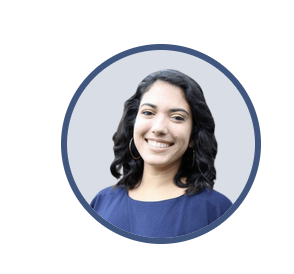
14+ Years Experience
Susana Potter, LMHC, BC-DMT
Susana is a skilled psychotherapist with over 14+ years of experience in the mental health field. She offers an embodied approach to counseling which includes behavioral techniques such as dialectical behavior therapy, cognitive behavioral therapy, along with integrating unique body-centered techniques such as dance/movement therapy, yoga, and mindfulness.
Susana treats patients with anxiety disorders, mood disorders, personality disorders, eating disorders, trauma & PTSD, and all kinds of life challenges. She helps clients live life in the present moment, and break free from anxiety, depression, and trauma.
.png)
As recognized by
.png)
Invest in your mental health with a comprehensive program you can return to again and again.
one-time
Lifetime access to complete program

48 therapist-guided video sessions (17+ hours of content)
48 homework assignments for practical skill-building
48 comprehensive reading manuals for deeper learning
Peer community forum for ongoing support
Lifetime access — revisit sessions anytime
Enroll Now
This program gives you a full year of DBT training — 144 pieces of expert content plus lifetime access. That's less than $10 per week for a complete learning package: video lesson, homework assignment, and reading manual — plus ongoing peer support in our community forum.
 Group Therapy
 Individual Therapy
 Couples Therapy
 Family Therapy
 IOP
IOP
That's literally what online therapy is for. Shortage areas. If the nearest psychiatrist or licensed mental health professional is 90 miles away and not taking patients, online therapy gets you help now. You're not limited to whoever happens to practice near you. You can access specialists, specific therapy approaches, therapists who understand your particular issue. Geography doesn't matter.
Insurance has downsides. You need a formal diagnosis which goes in your medical record. It limits session frequency and duration. Involves tons of paperwork. Requires therapists to get approval for treatment. And it reimburses providers poorly, which is why many good therapists don't take insurance. Not accepting insurance keeps costs lower and gives you more control over your care. Many people find self-pay with potential reimbursement is better than dealing with insurance restrictions directly.
Childhood trauma requires specialized treatment because it affected your development and identity formation. Childhood trauma can be particularly challenging because it becomes your normal and may be hard to recognize as abnormal since that’s what you were always accustomed to. Treatment helps and many childhood trauma survivors find tremendous relief from trauma therapy even decades later. It can take time but healing happens.
This describes most anxiety to worry about potential future events or outcomes. This is anxiety’s specialty. Worry gives the illusion of control that if you think about it enough you can prevent it, but that actually backfires and only maintains anxiety. Therapy helps you develop problem solving when possible and acceptance when not rather than trying to control the future through worry. Learning to stay present despite not knowing what will happen is a core skill to address anxiety that with consistent practice you can learn over time. Therapy helps you manage uncertainty so the anxiety can subside.
Therapy adds tools medication can't provide. Many people benefit more from therapy plus medication than medication alone. This is why many people who experience depression solely do therapy, and others combine therapy with medication management. Research does show combined therapy plus medication prevents relapse for depression better than medication alone.
No. They are entirely different conditions. BPD is about emotional regulation and relationships. Bipolar involves mood episodes that are less tied to external events like mania and depression. Despite their differences, some symptoms can overlap and this is why DBT is often helpful for both.
Walking the middle path means avoiding all-or-nothing extremes and finding balance. This applies to thinking (avoiding black-and-white thinking), behavior (avoiding extremes of total rigidity or total chaos), and relationships (avoiding extremes of total dependency or total independence). Dialectics, holding two opposing truths simultaneously, is central to DBT. You can accept yourself and want to change. You can validate your emotions and recognize they don't fit the facts. You can set boundaries and maintain relationships. Middle path thinking acknowledges that most things are both/and rather than either/or.
Yeah, definitely. Mindfulness helps you observe anxious thoughts without getting swept up in them. Distress tolerance teaches you to sit with anxiety without avoiding or escaping which just reinforces anxiety long-term. Emotion regulation helps you understand what triggers your anxiety and reduces vulnerability to it through self-care. Interpersonal effectiveness reduces anxiety in social situations or helps you control anger or mistrust in relationships. Specific DBT skills for anxiety include opposite action by approaching what you're afraid of instead of avoiding, check the facts by reality-testing your anxious thoughts, and self-soothing by calming your nervous system. DBT wasn't designed specifically for anxiety, but the skills address it effectively.
Video therapist recordings plus structured format plus organized curriculum all in one place. Workbooks are great but the DBT self guided program is more comprehensive and guided than reading a book on your own. Most people are visual learners and need both detailed explanation they can watch and re-watch at their own pace, along with written materials for review and homework.
It's skills education, not therapy, so it’s just entirely different from each other. For many people, if you have strong motivation and good learning skills, self-guided DBT provides sufficient support. However, it does not replace therapy. For serious mental health issues, you may still need actual therapy. This can be a supplement, complementary to, or a starting point, not a replacement for therapeutic relationship. The people who do the self guided program typically want a self paced format to learn the skills on their own time, or they are looking for additional accountability and adherence to treatment outside of session that they can practice on their own time so they want to be able to review skills on their own time outside of a therapy session. Many people use both, therapy provides support and personalization while the self-guided DBT program provides skills that you can learn at your own pace.
Nope. Anyone wanting to learn emotional regulation, distress tolerance, mindfulness, and interpersonal skills can benefit. DBT skills are useful for humans in general, not just people with specific diagnoses.Many people use the program proactively for personal growth rather than treating specific conditions. The skills are evidence-based techniques applicable to everyday challenges, not just specific mental health diagnoses.
It's for personal use and certainly helpful for gaining a strong grasp of DBT skills. So the program helps with personal skill development and is helpful to refresh on DBT skills. However, while the program is certainly useful to get a good understanding of DBT for personal use, it’s important to note that it’s not a substitute for formal professional therapist training. Therapists need actual clinical DBT training to practice DBT therapy with clients. So, If you just want personal DBT understanding or client resource recommendations, the DBT self-guided program is helpful. But, of course, you cannot claim DBT competency based solely on completing this program. It should be treated as personal education which is helpful for individuals and mental health professionals with their own knowledge, but it’s not a professional credential.
If you have an address in South Carolina, Grouport can serve you regardless of your ZIP code.
Start your journey to emotional wellness with evidence-based DBT skills. Join thousands who have found relief through our self-guided program.
